3 for 2Best seller
Ocelot
placeholder
Print families
Ocelot, zebra, tortoiseshell. Drawn from the pelt, not from a stock library.
8 cases
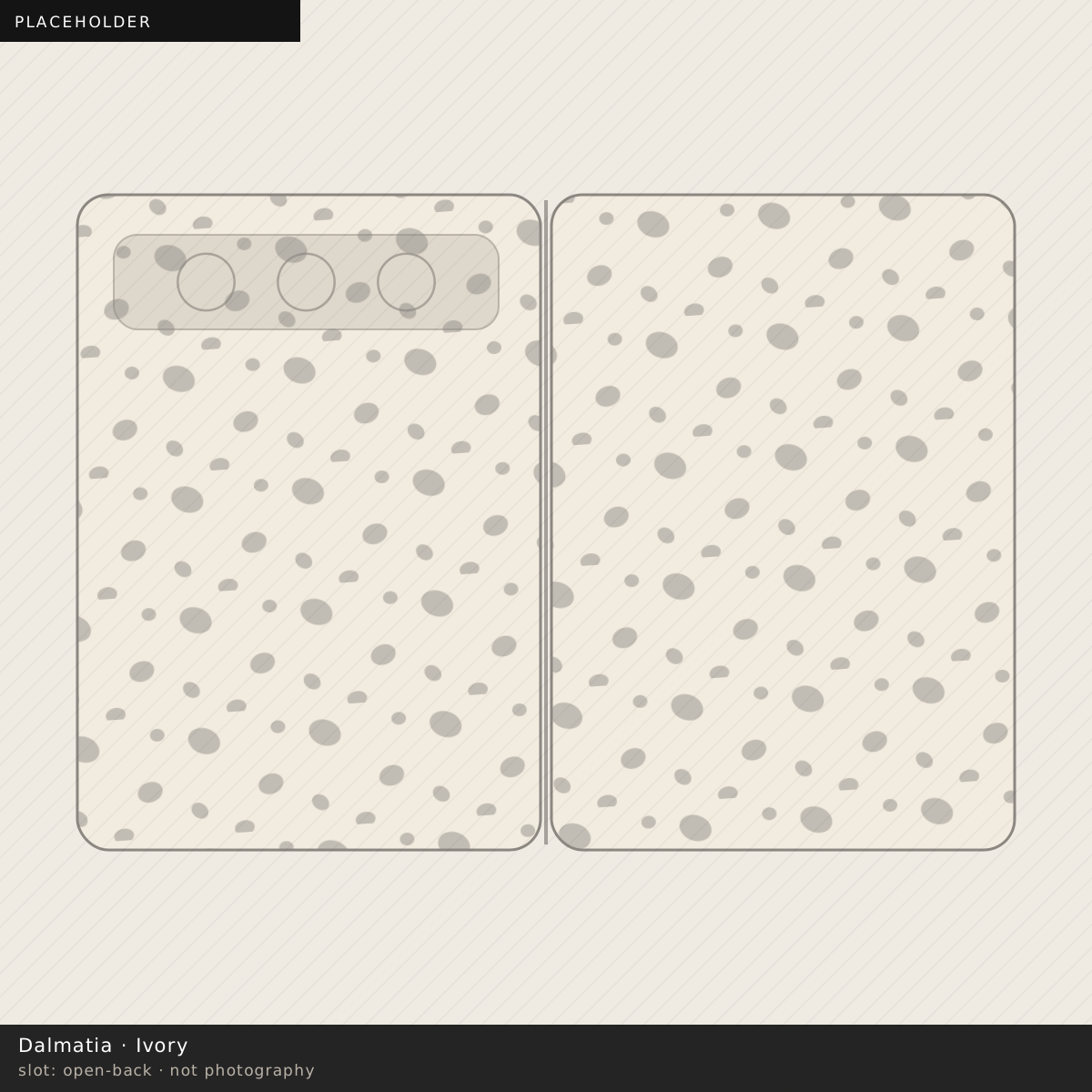
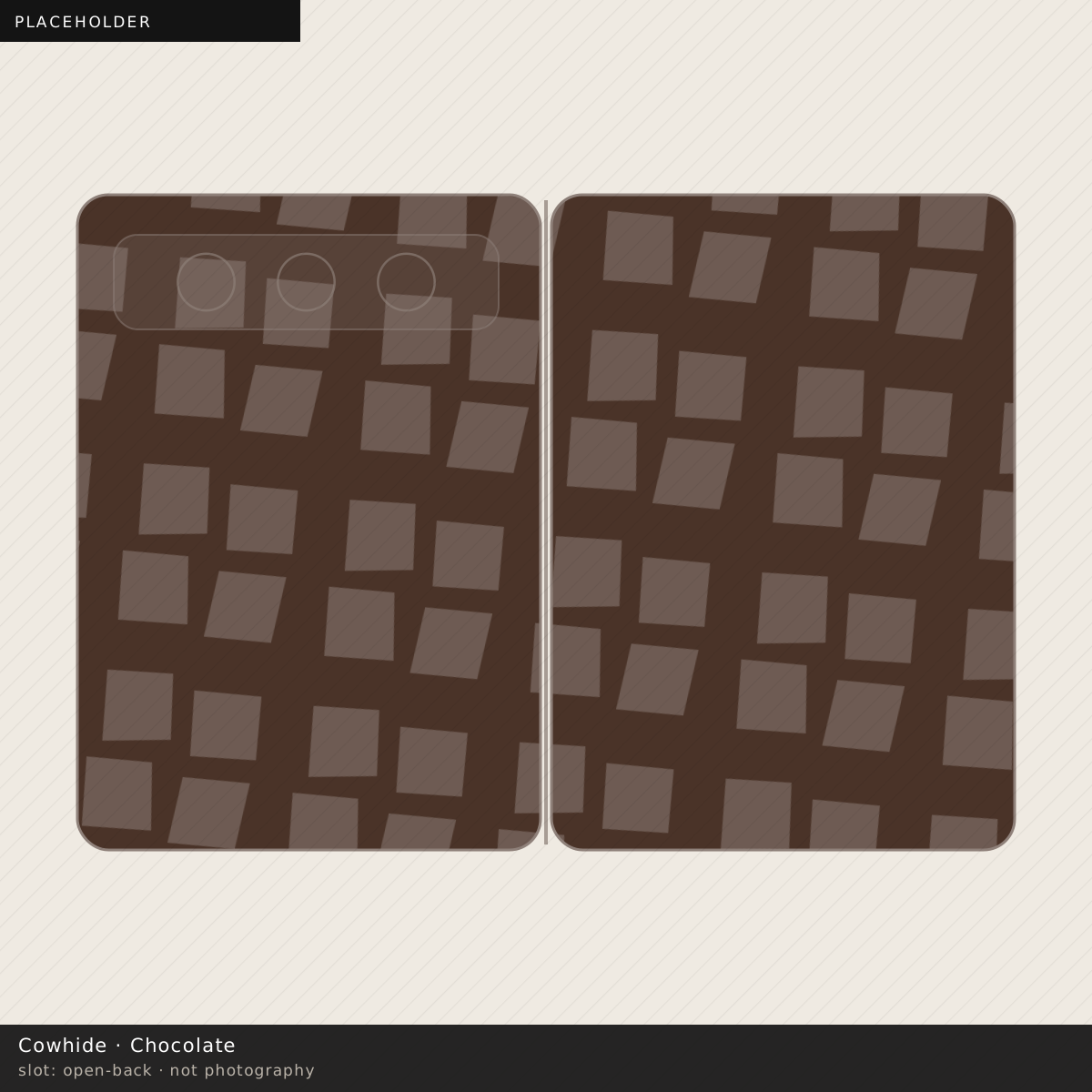
No. Every print in this family is a repeat, so it carries across the hinge without a break. Cowhide is the exception and it is laid out per half, with a patch edge meeting the hinge at a right angle rather than dying in it.
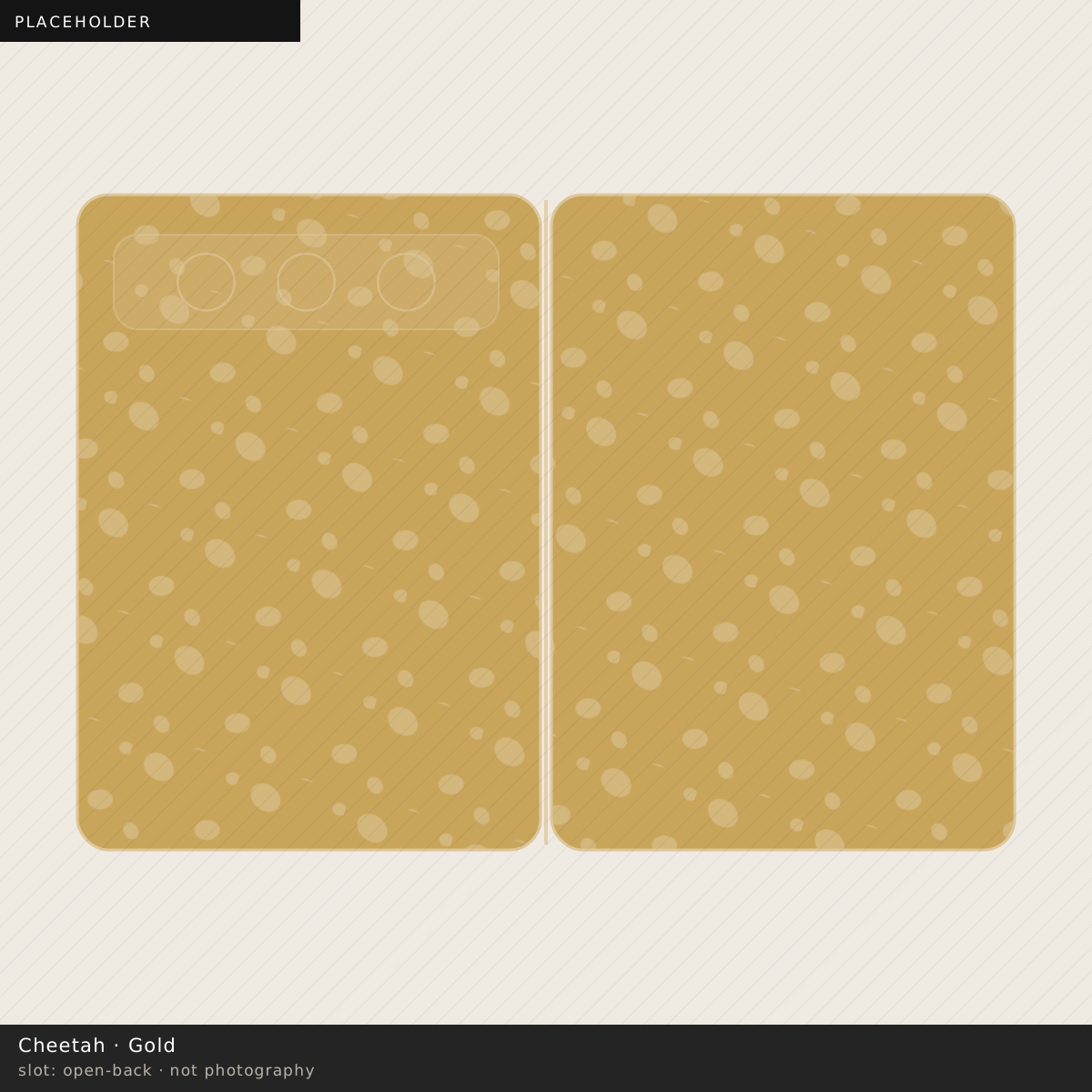
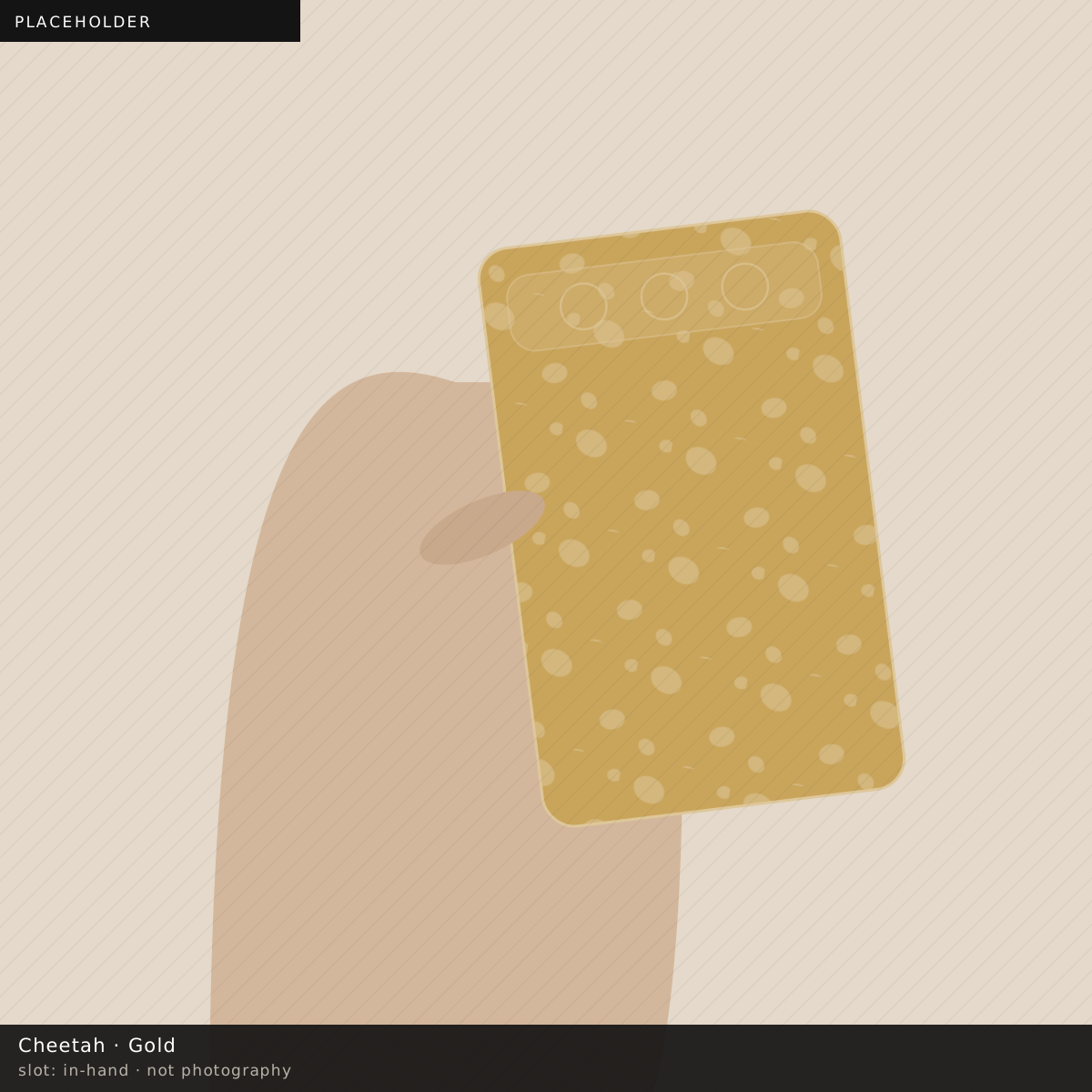
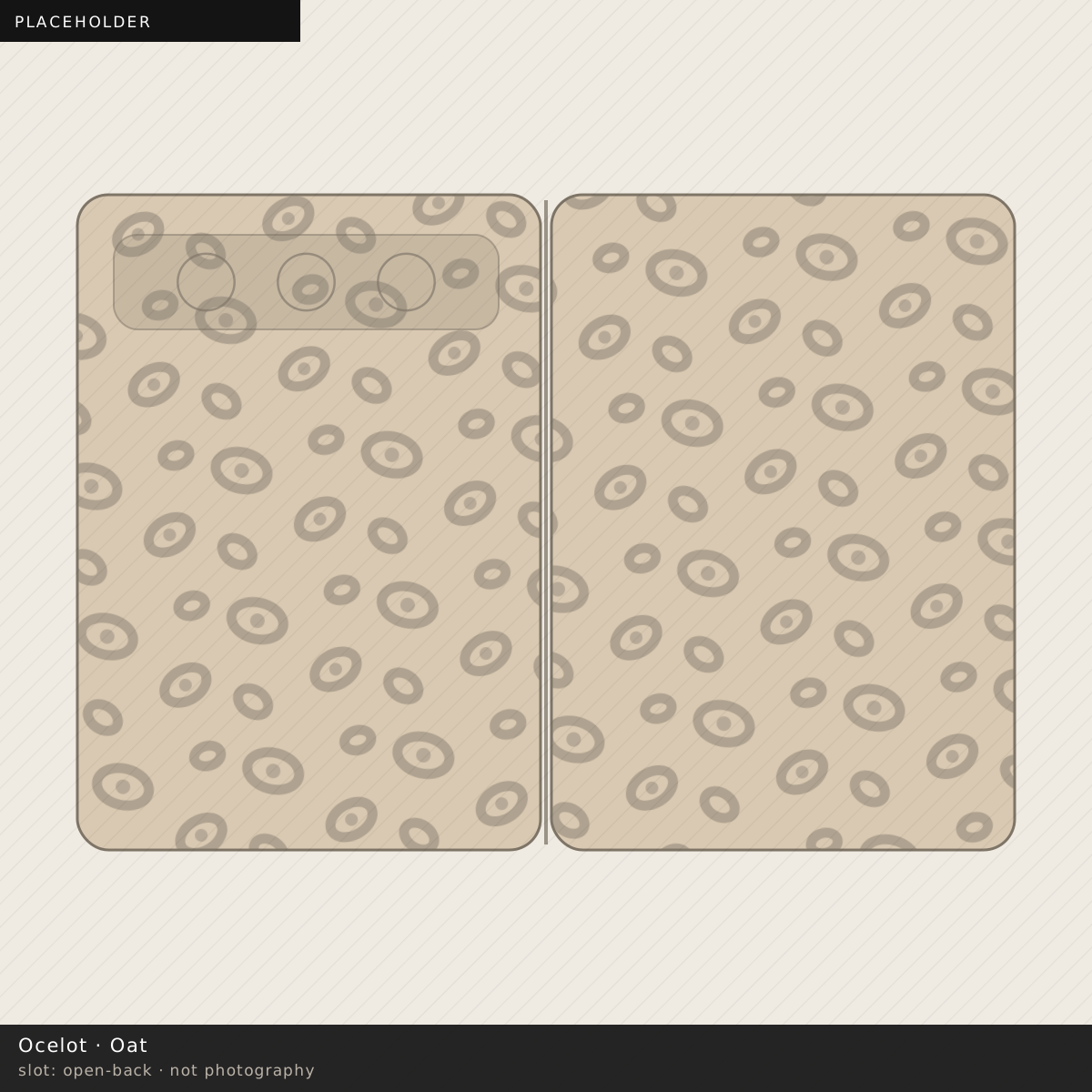
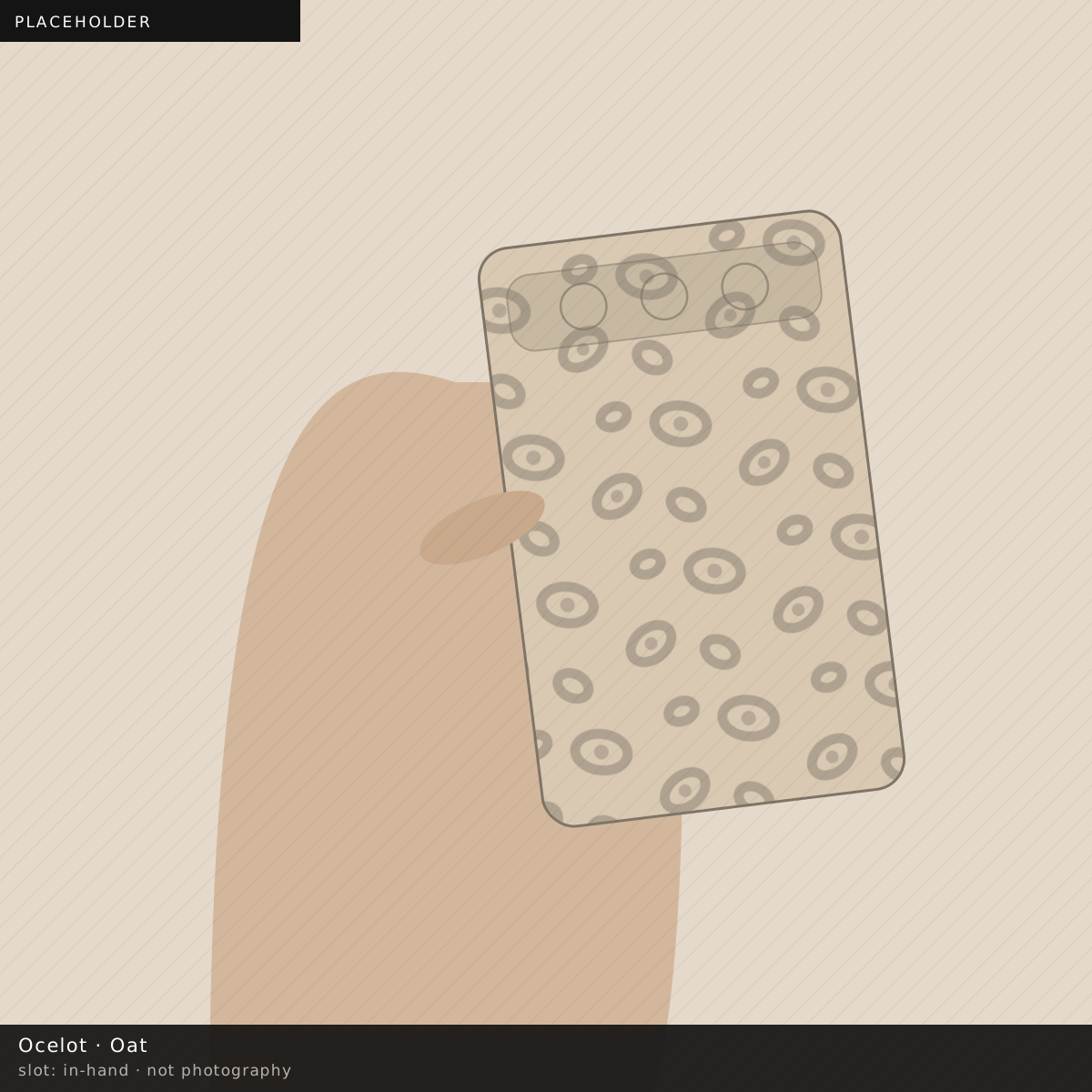
Ocelot is open rosettes — broken rings with a darker centre, in rough chains. Cheetah is solid filled spots, evenly distributed. They read completely differently at arm’s length: the rosettes look like a textile, the spots look graphic.
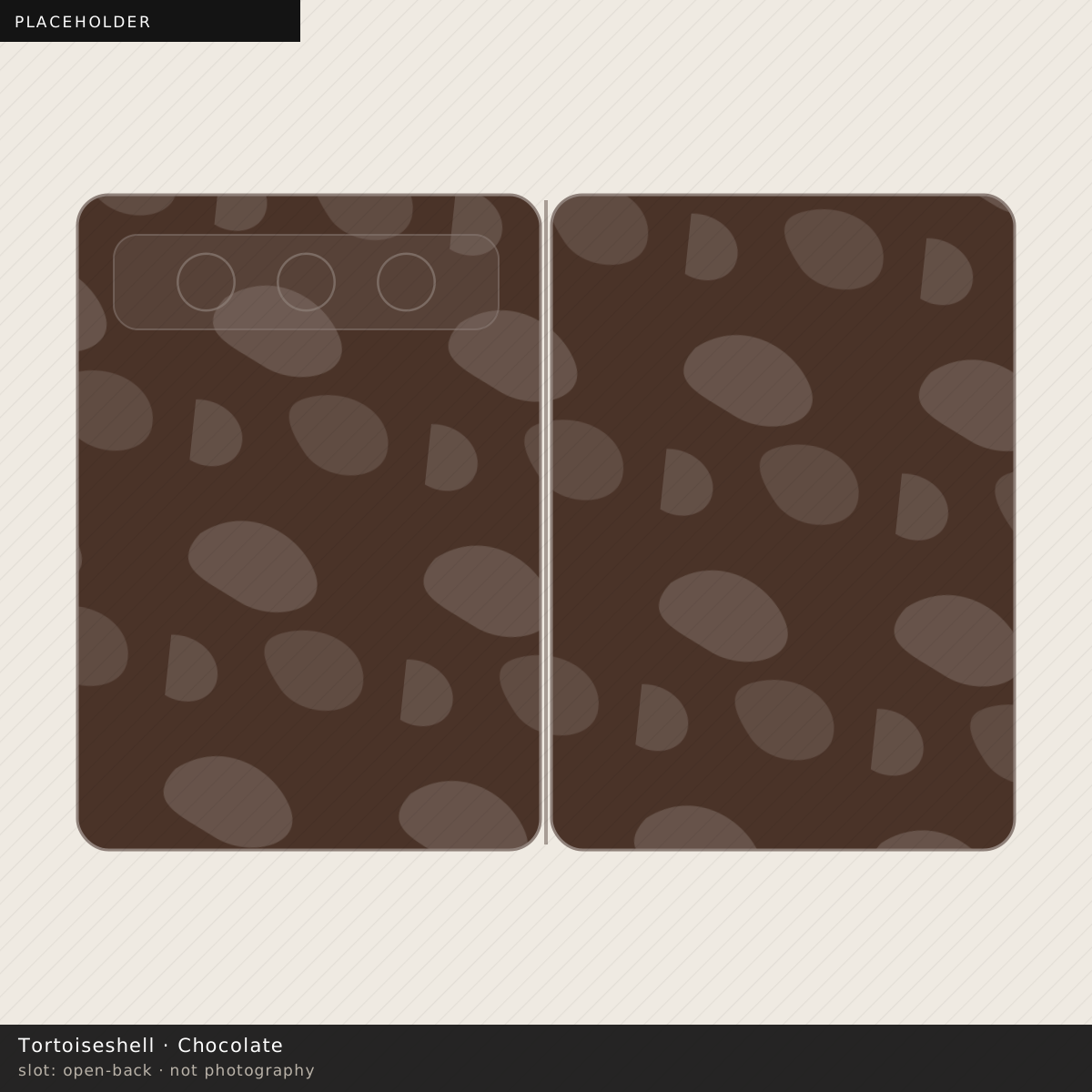
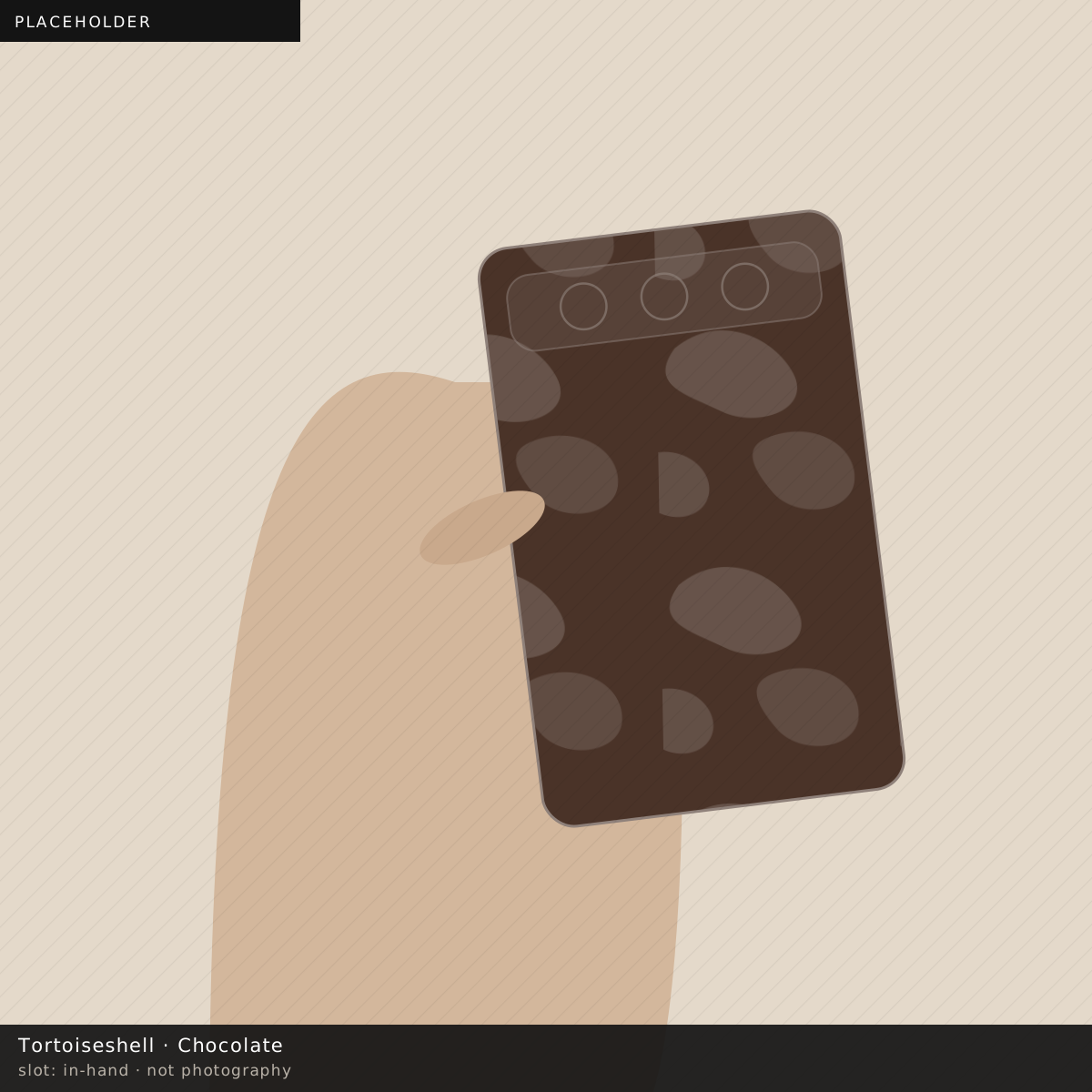
Tortoiseshell is not, and it is in this family. It reads as a material rather than as a pattern, which is why it has been on spectacle frames in every office for a century. Ocelot on oat is the next quietest.
No. They are printed patterns on a moulded polycarbonate shell. Leather-touch is a textured synthetic finish, not leather.
Almost every animal print sold on a phone case is wrong in a way that is easy to see once you know it. A cheetah has solid black spots. A leopard has open rosettes — broken rings with a darker centre. An ocelot has rosettes that are larger, more elongated and arranged in rough chains. Most prints labelled cheetah are leopards, and most leopards are neither.
These were drawn from museum pelts, which is why Ocelot has open rings and Cheetah has filled ones. It matters less for zoology than for how the print behaves when it is printed small: a solid spot holds its shape, an open rosette turns into a smudge unless the line weight is drawn for the size.
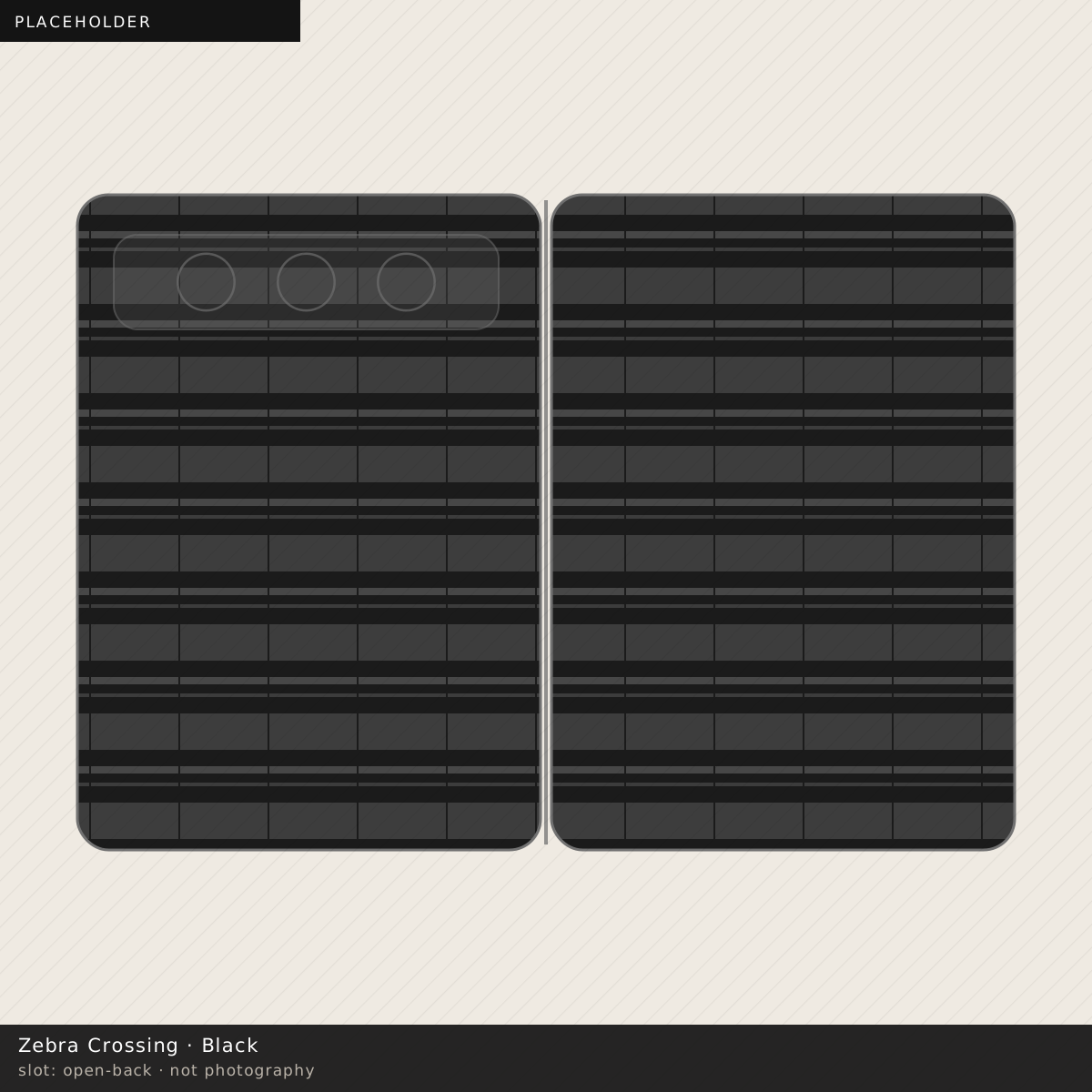
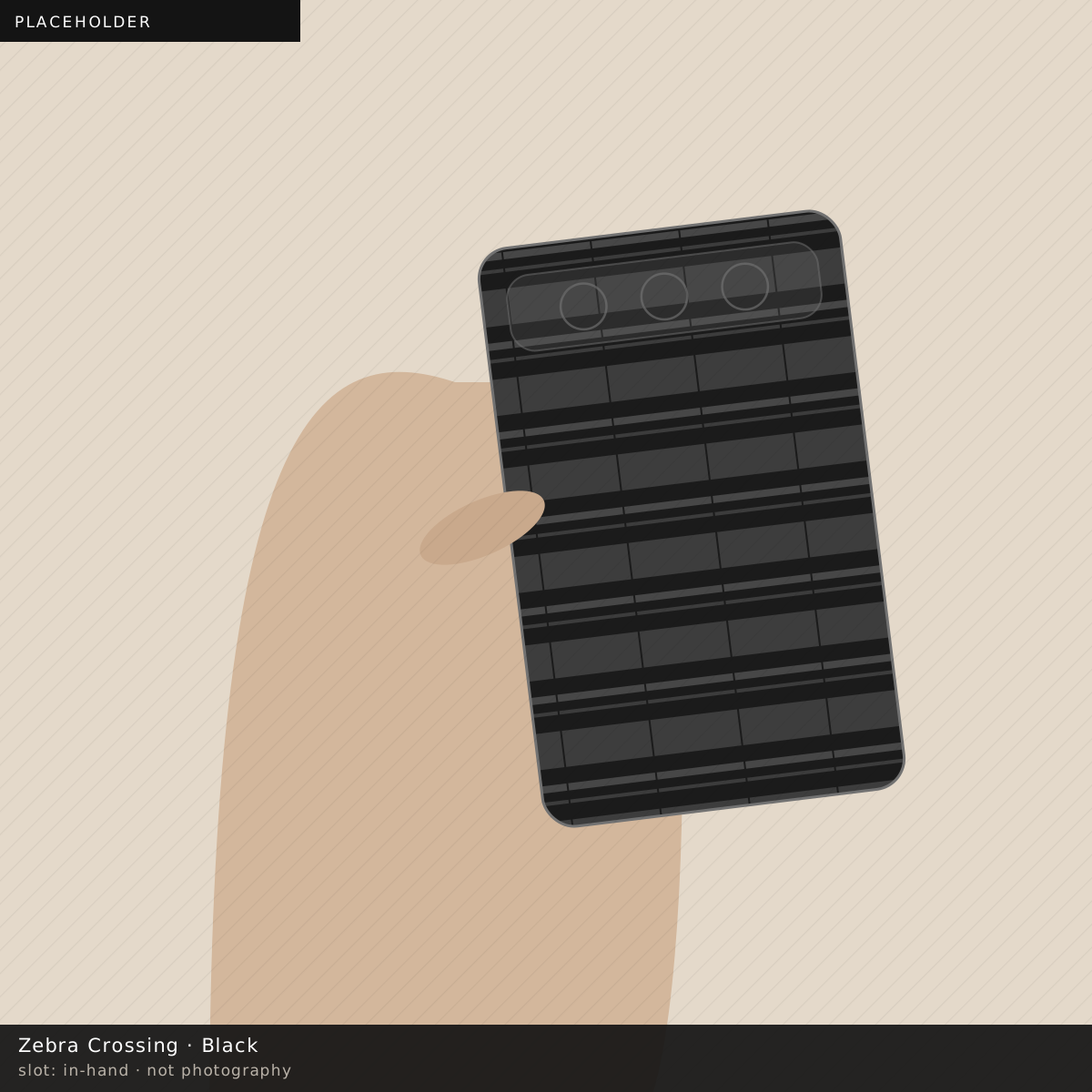
Zebra stripes widen at the shoulder and compress toward the rear. Copying that is the only thing that stops a zebra print looking like a barcode, and it is the first thing a tiled pattern loses.
Zebra Crossing compresses toward the hinge, which puts the busiest part of the pattern where the fold is and leaves the outer edges open. On a folding phone that is the useful way round: the dense area is hidden when the phone is closed and revealed when it opens.
Real tortoiseshell — the kind in a good spectacle frame — has colour at different levels inside the resin. Amber under umber, with the light travelling through one to reach the other. Reproduce that flat and it looks like a stain.
This one is built in layers so the amber appears to sit beneath the umber. It is the only print in this family that is trying to look like a material rather than like a coat, and it is the one that works best on the leather-touch shell, where the surface already has some depth of its own.