3 for 2Best seller
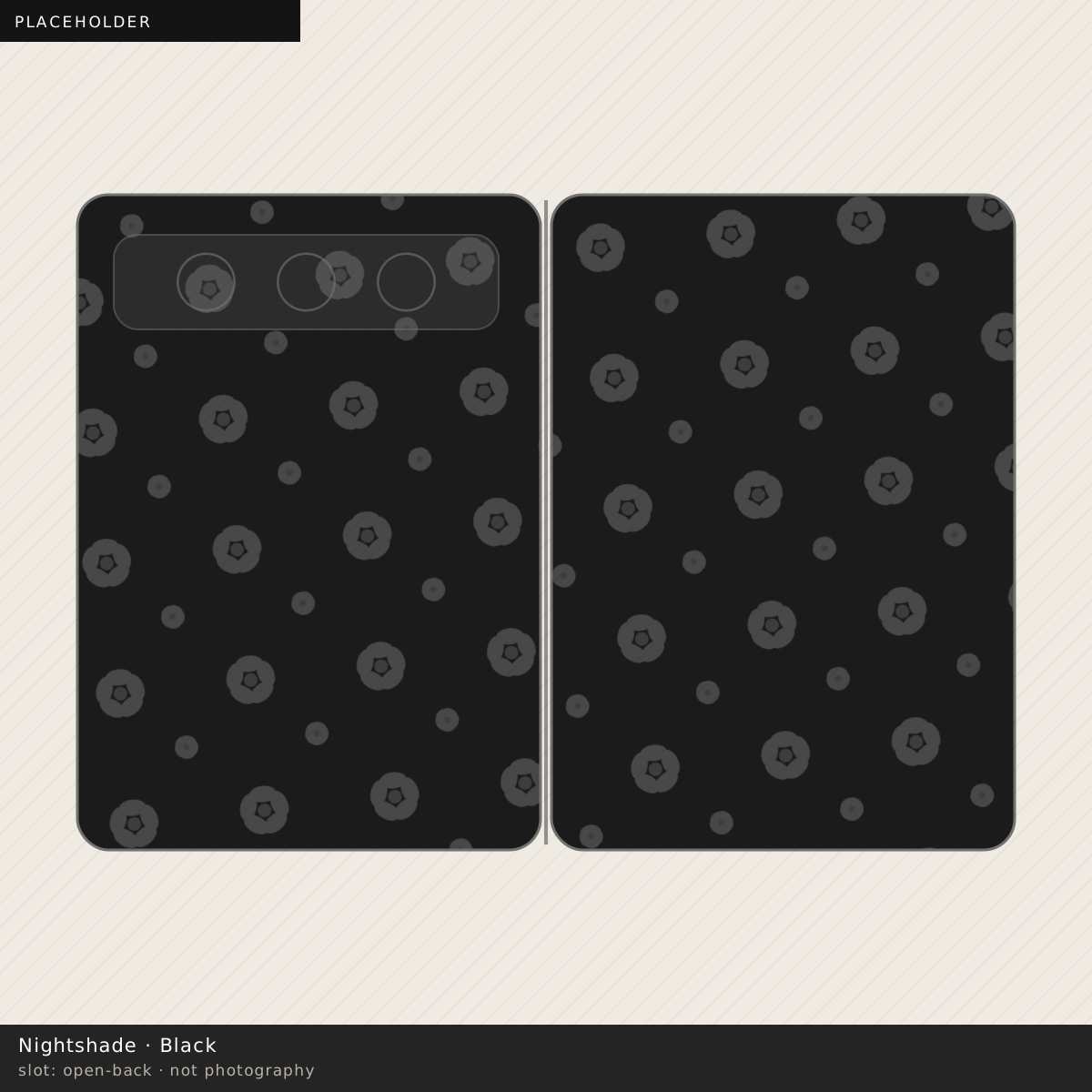
Nightshade
placeholder
Print families
Blooms drawn by hand, from a single pressed stem to a full hothouse.
9 cases
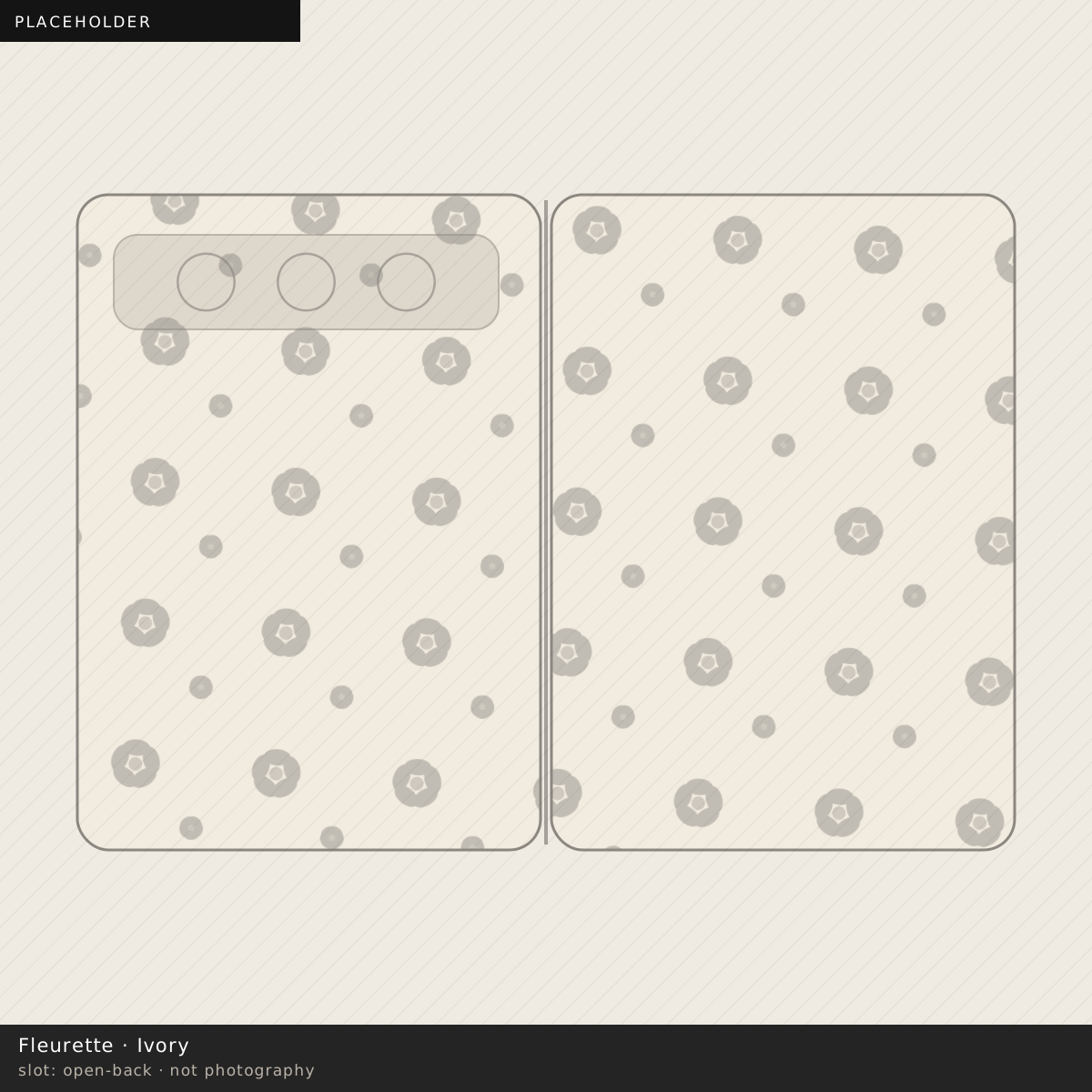
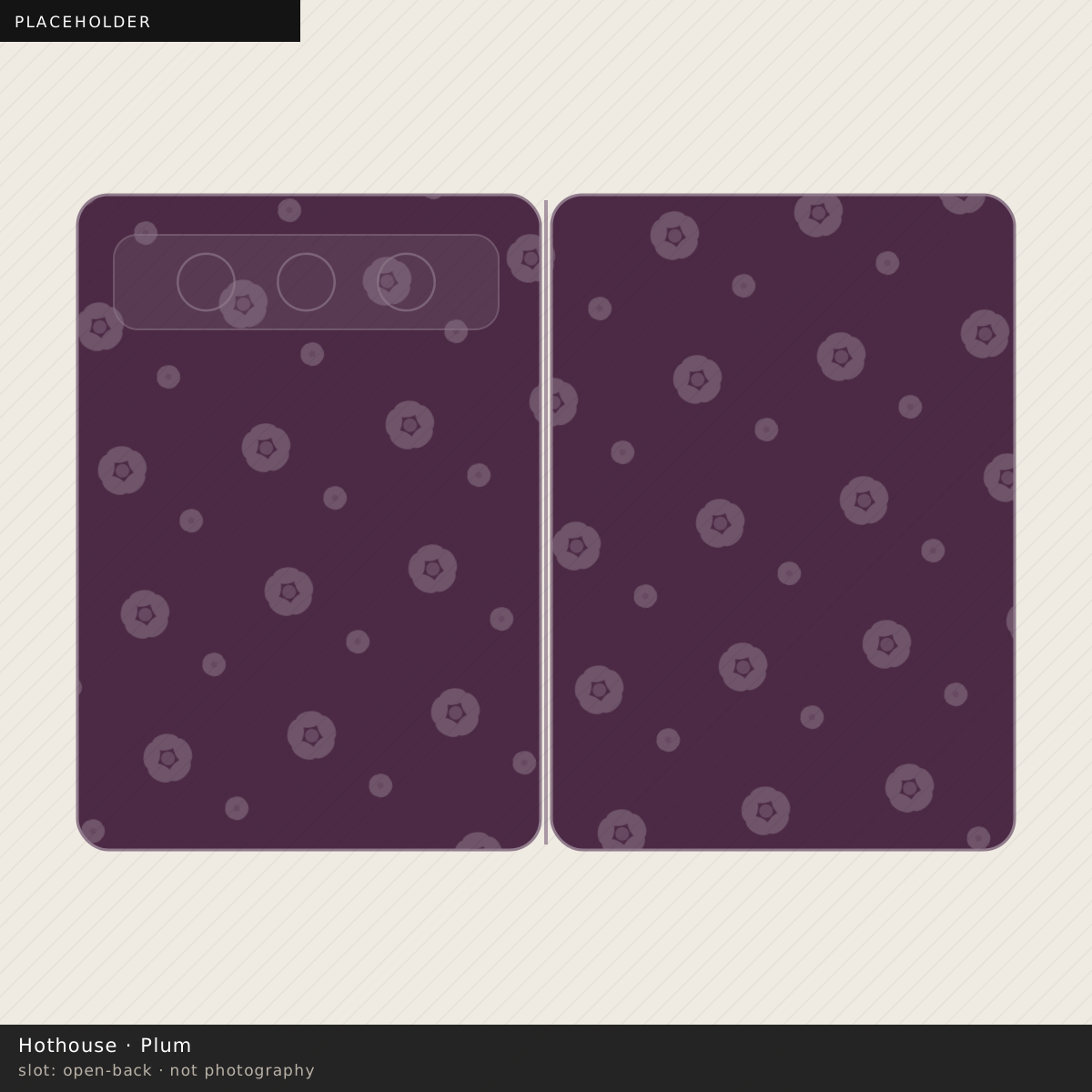
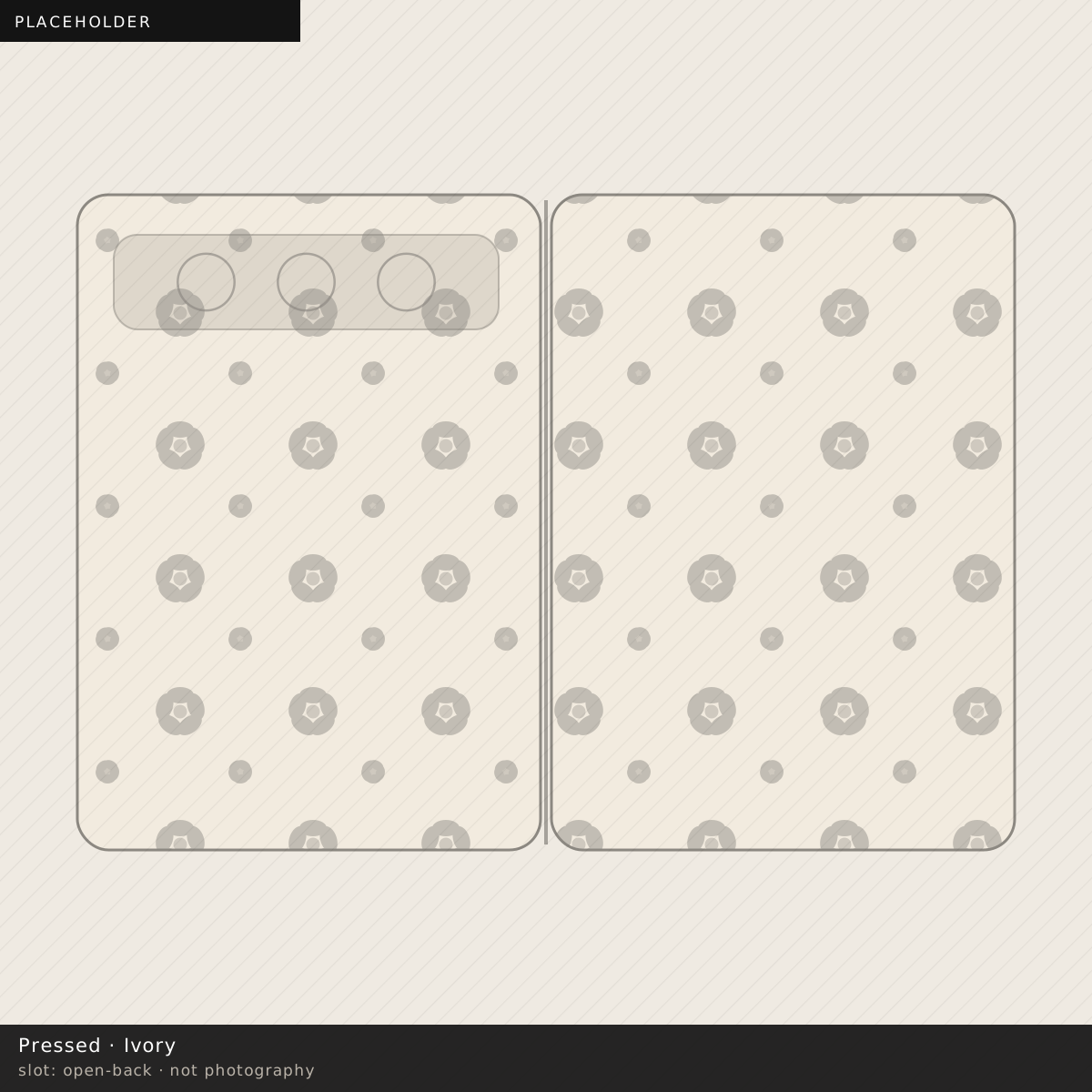
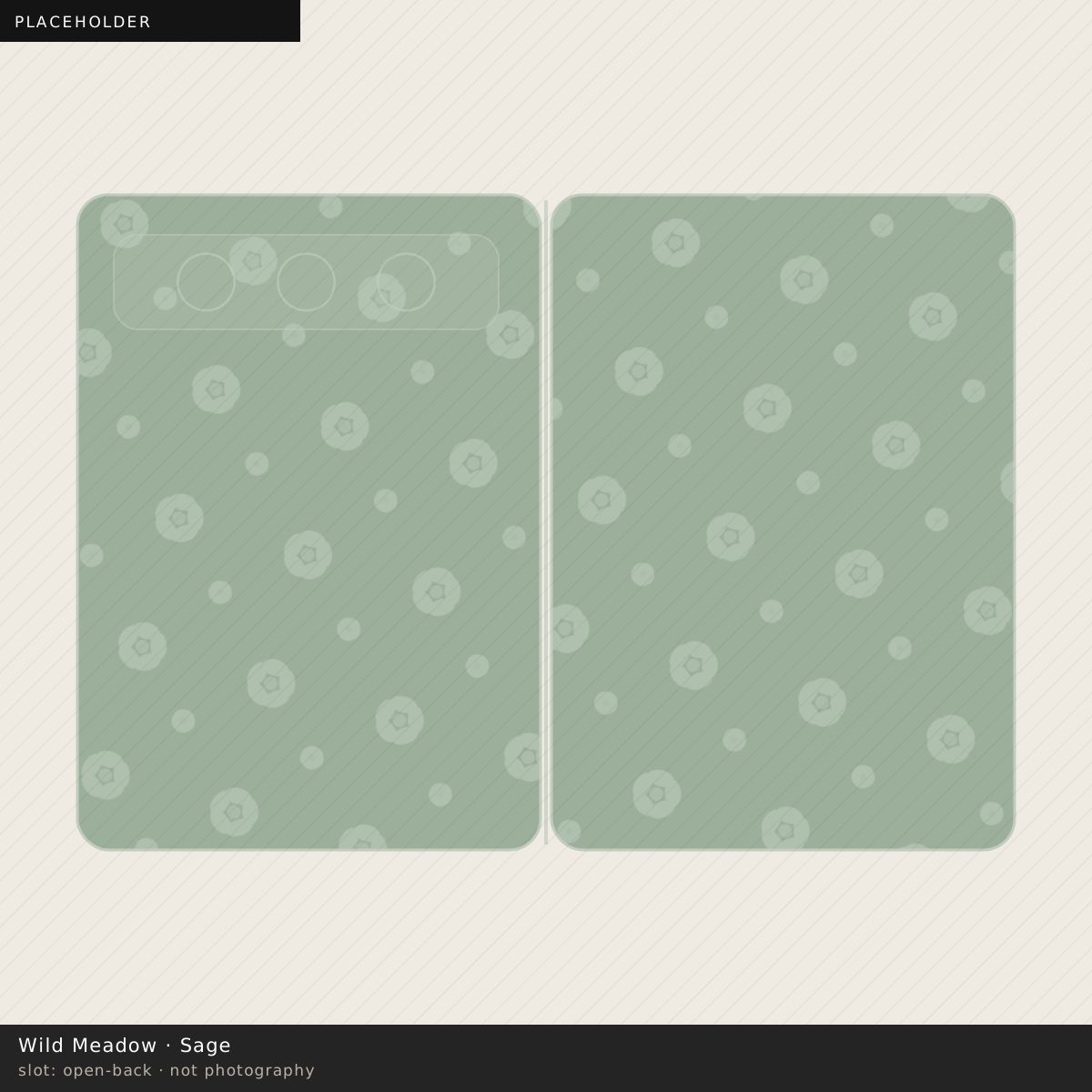
Not on the large-scale prints. Any bloom big enough for the hinge to matter is positioned on one half, clear of the fold. The small repeating prints — Fleurette, Wild Meadow — carry across the hinge because a repeat is meant to.
The print sits under the shell surface rather than on top of it, so it cannot rub off. Pale grounds do pick up marks from denim and from leather bags, the same way a pale bag does. It wipes off with a damp cloth. Nothing here needs a cleaning product.
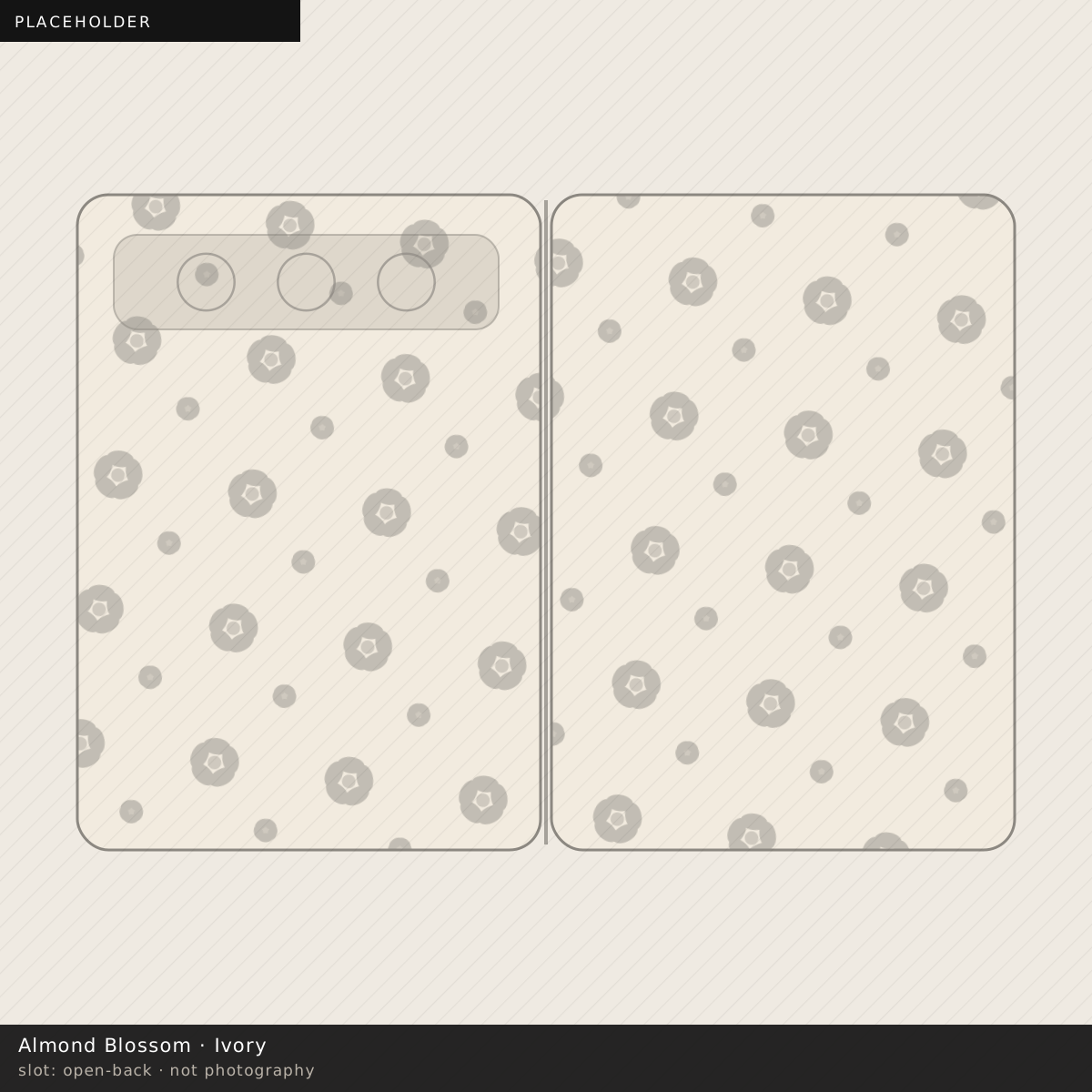
Pressed and Almond Blossom. Both are mostly empty ground with a small amount going on, which is what makes a print read as considered rather than decorative at a distance of two metres across a table.
Some. A print on a clear shell is printed on a transparent layer, so the titanium frame shows through wherever the drawing is not — which suits an open print like Fleurette and defeats a dense one like Hothouse. The product page lists the constructions each print is made in.
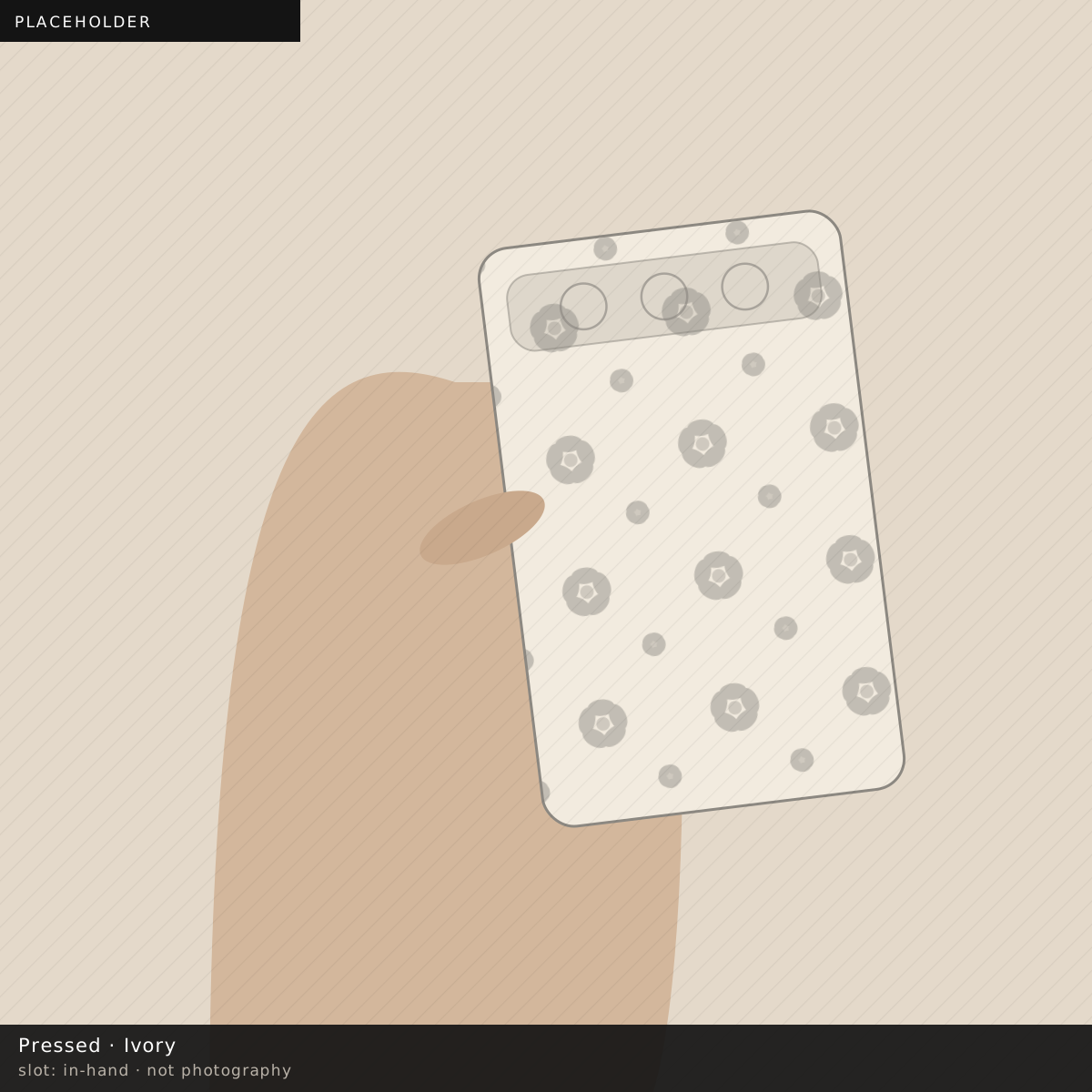
A floral print has one enemy on a phone: scale. Most are drawn for fabric, where a repeat can be forty centimetres across and the eye reads the whole arrangement at once. Print that on a surface the size of a postcard and it becomes a texture — pretty from a metre away, meaningless in the hand.
Every floral here was drawn for this surface. That means fewer flowers, bigger, with more empty ground between them than a textile designer would leave. Almond Blossom is mostly nothing: one branch, eleven flowers, and a great deal of air. That restraint is what makes it read as a drawing rather than as wallpaper.
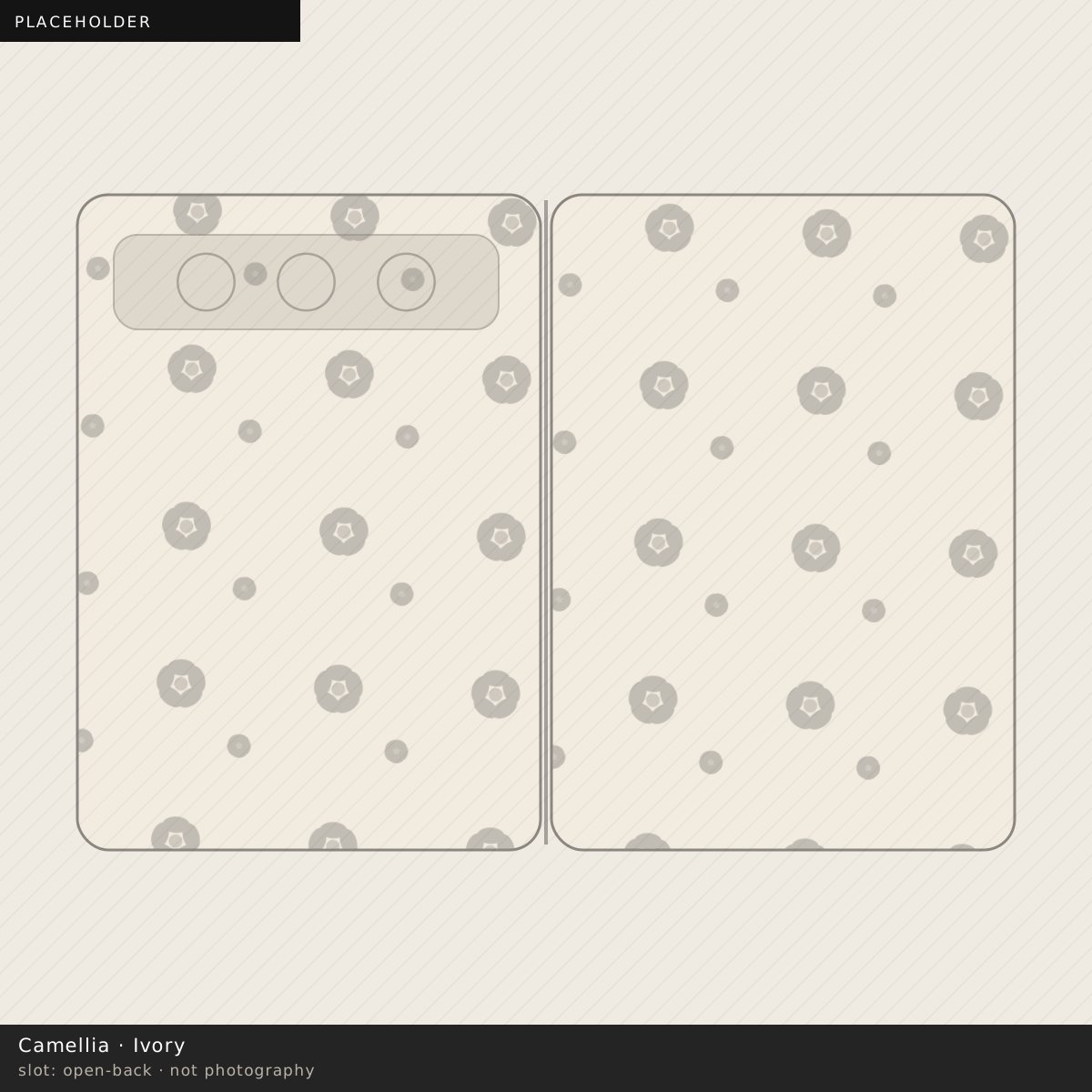
The iPhone Duo folds down the middle, which means any print on it is really two prints that have to agree. A repeating pattern survives that without being asked. A single large bloom does not — put a peony in the centre of the back and the hinge runs straight through it.
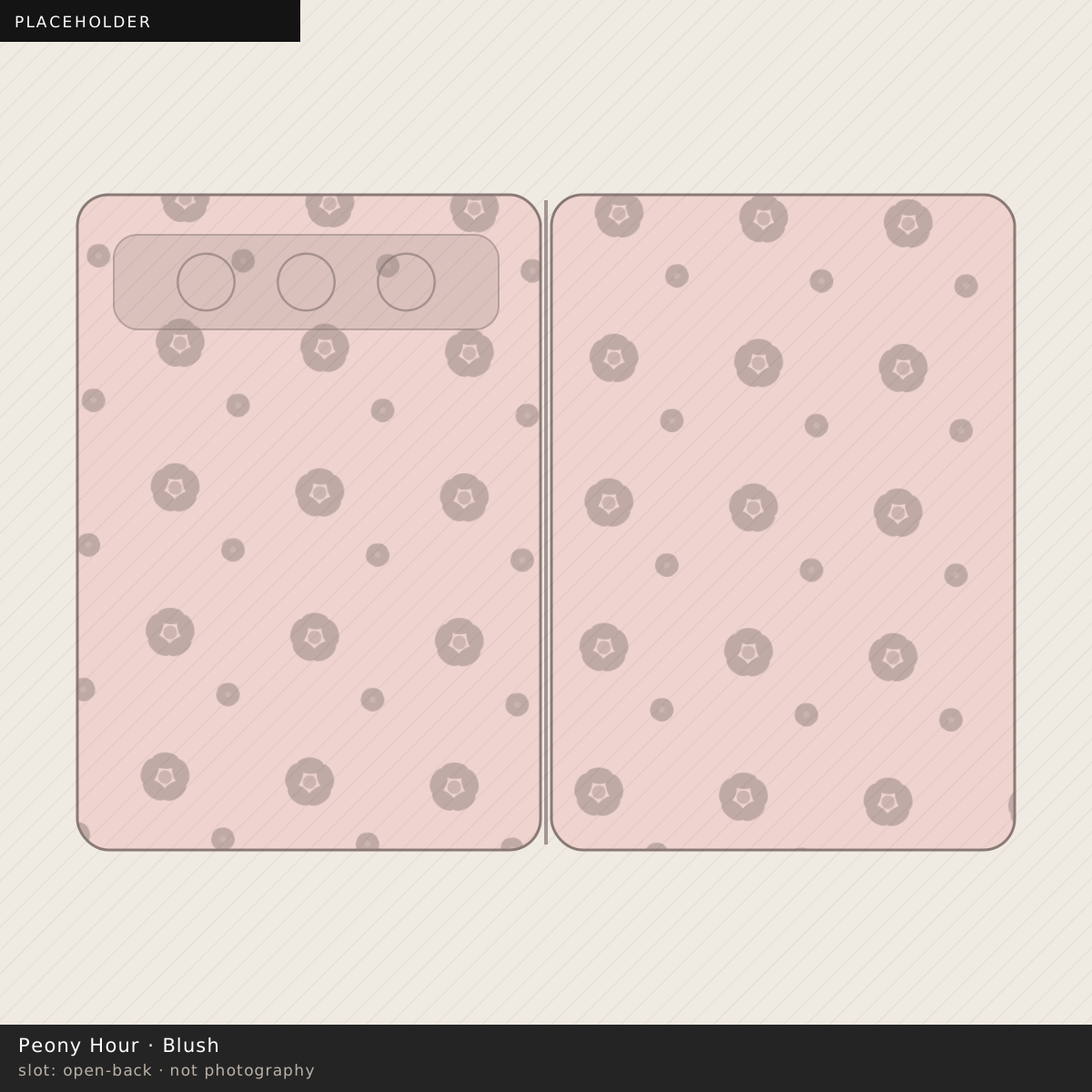
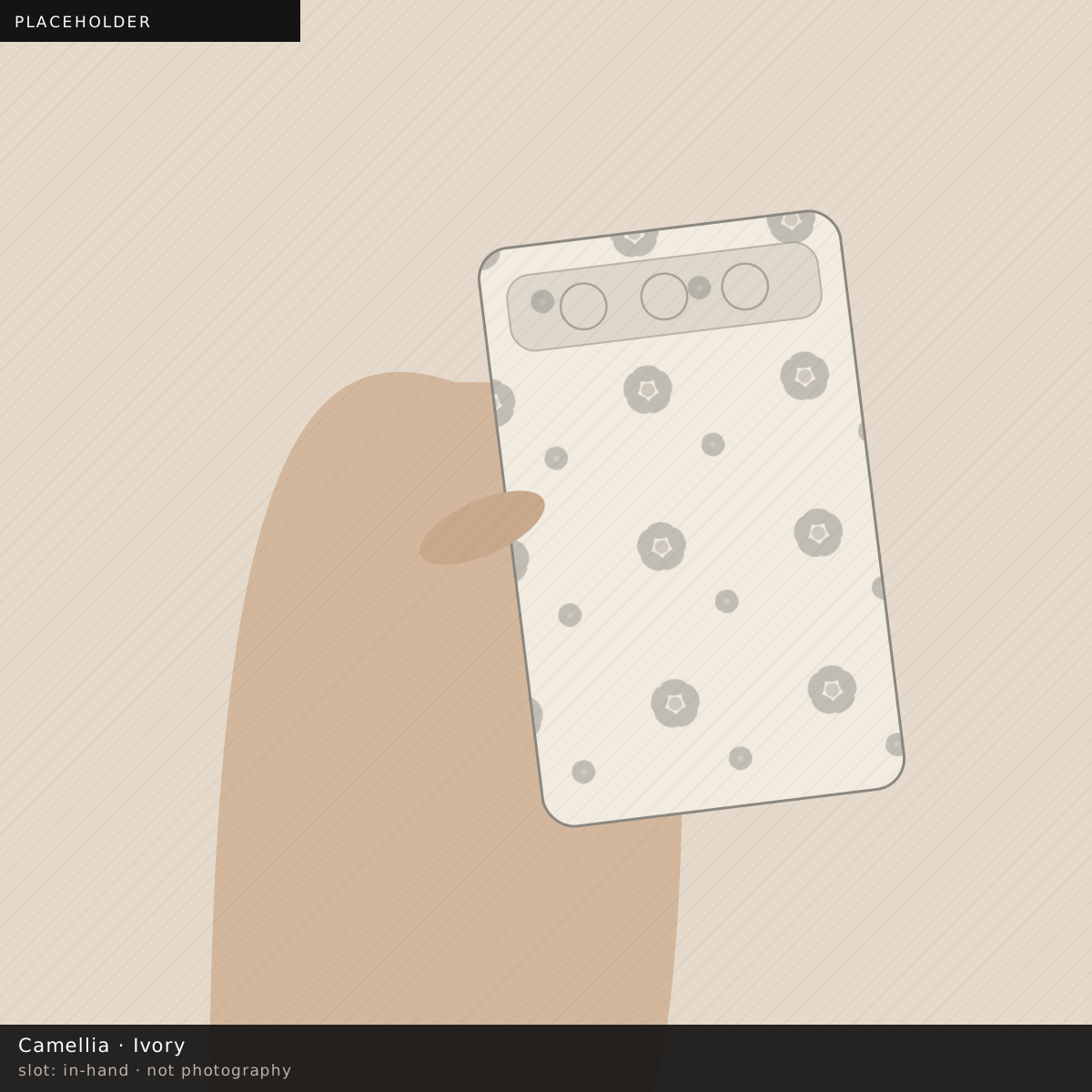
So the large-scale florals in this family are positioned rather than tiled. Camellia sits on the upper half, clear of the fold. Peony Hour runs one head across a single panel and lets the other panel stay quiet. The layout is a decision per print, not a setting.
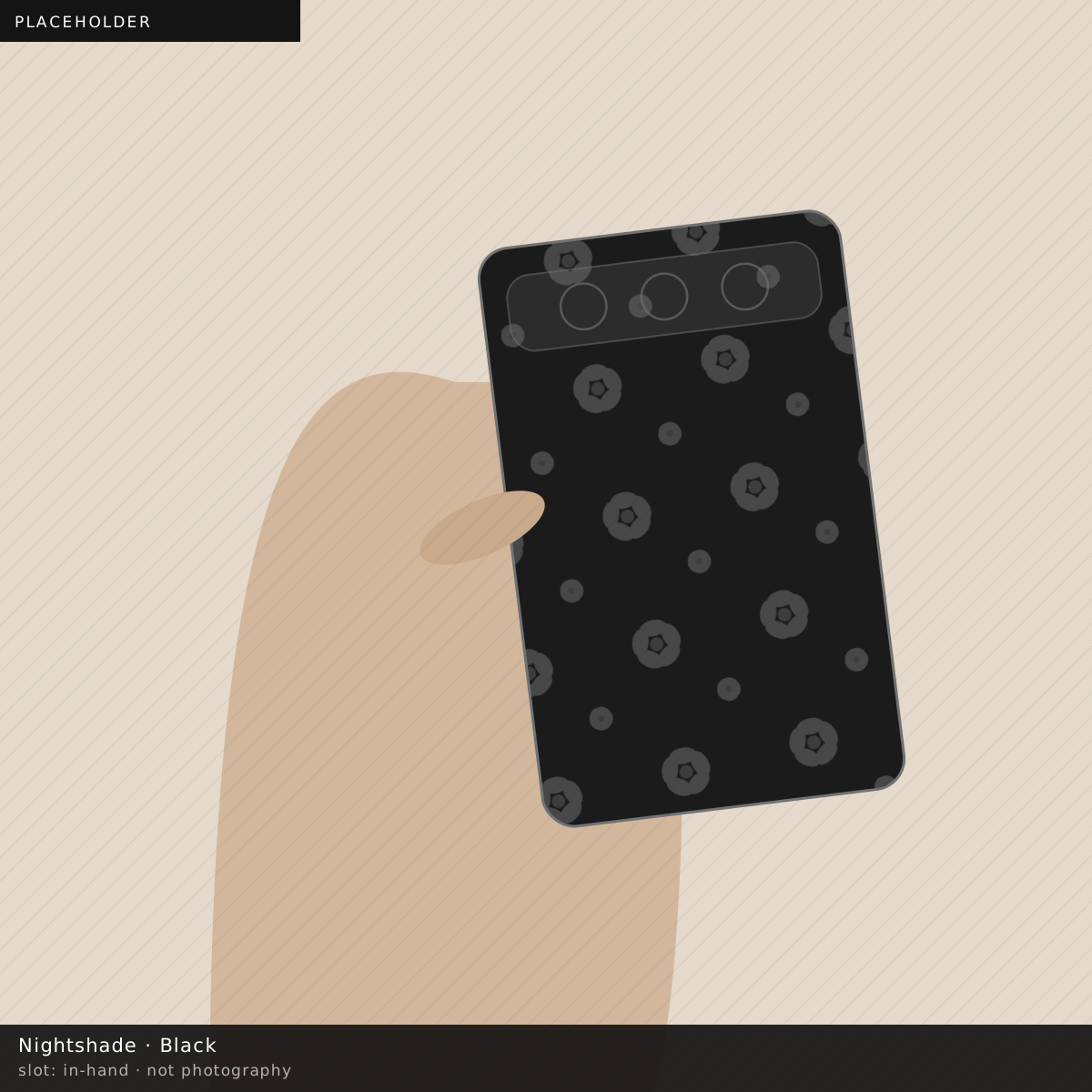
A floral on ivory reads as a stationery print: quiet, close to the skin, the sort of thing that disappears on a meeting table. A floral on black reads as the opposite. Nightshade is built the way a seventeenth-century still life is built — black ground, one light source, most of the arrangement left in shadow — and it is the only print in this family that is genuinely loud.
If you are choosing between them, the useful question is not which flower you prefer. It is whether you want the phone to be noticed.