3 for 2Best seller
Carrara
placeholder
Print families
Stone photographed at the quarry, printed at the scale a hand actually sees.
7 cases
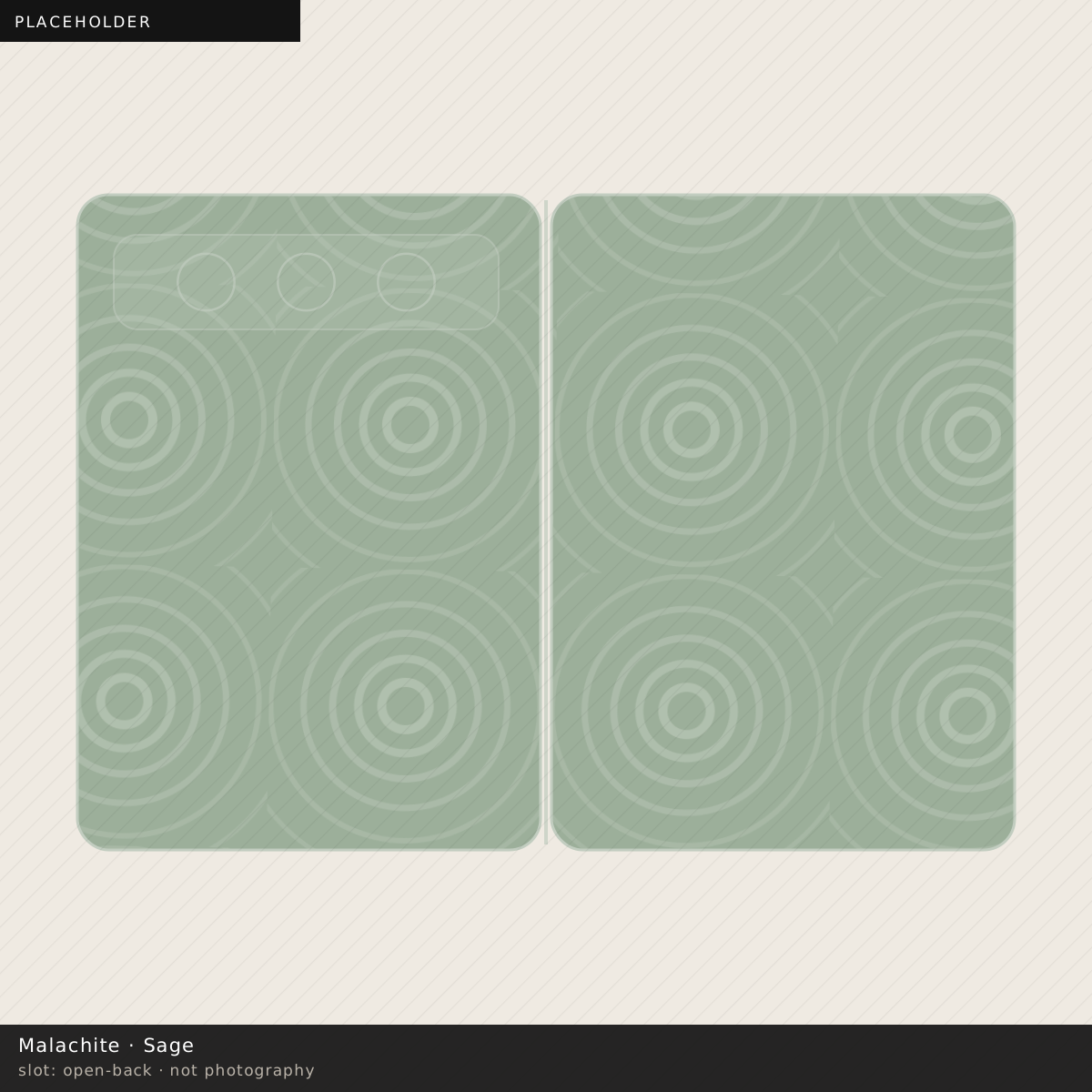
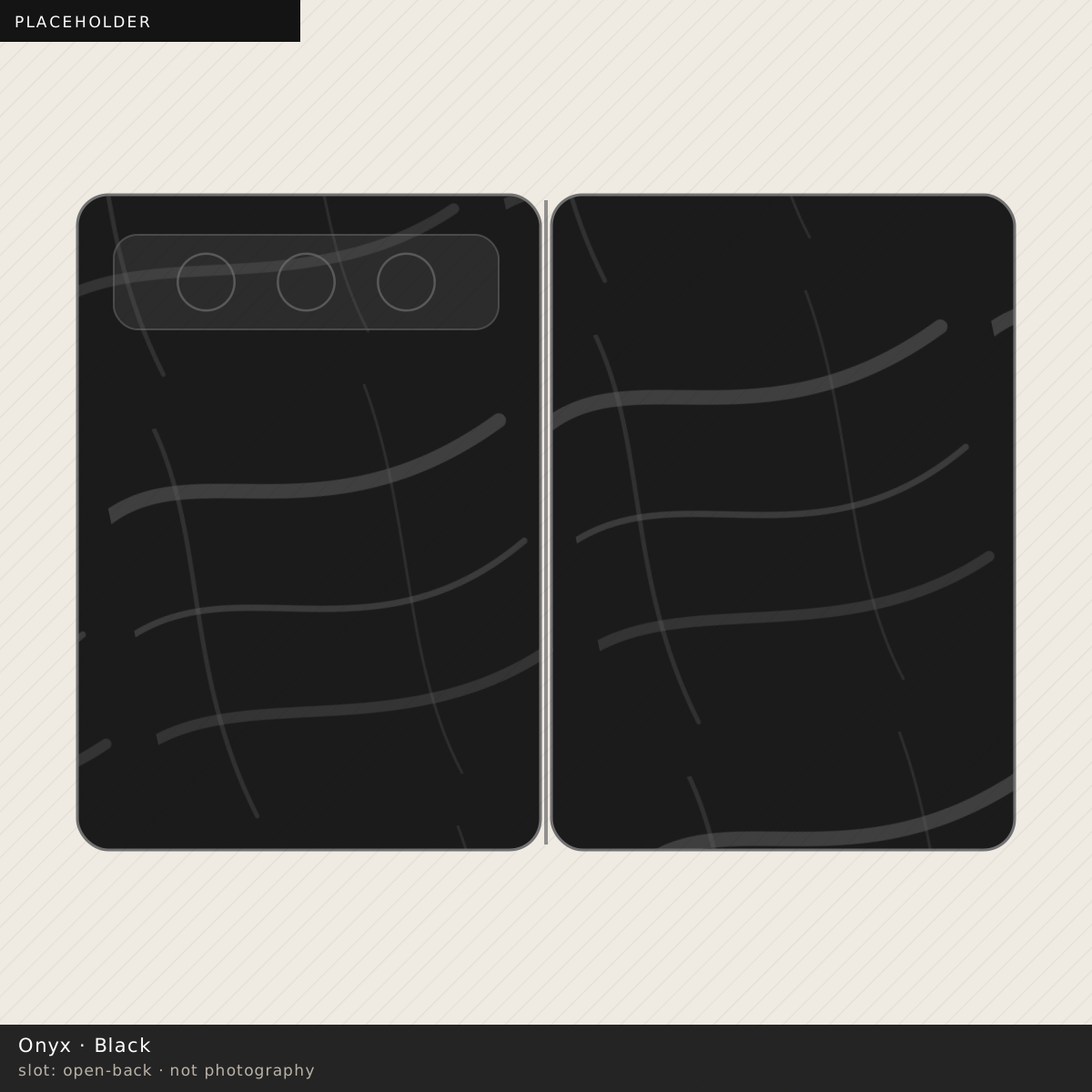
On Malachite it continues across it, deliberately — the two halves are cut from one slab so the banding lines up when the phone is open. On the rest the veining is laid out per half, so there is no join to notice.
No, and nothing claiming to would be telling the truth. The Elite shell is a smooth matte polycarbonate with textured sides for grip. What the print does is behave like stone optically — depth in the veining, direction in the grain — not tactilely.
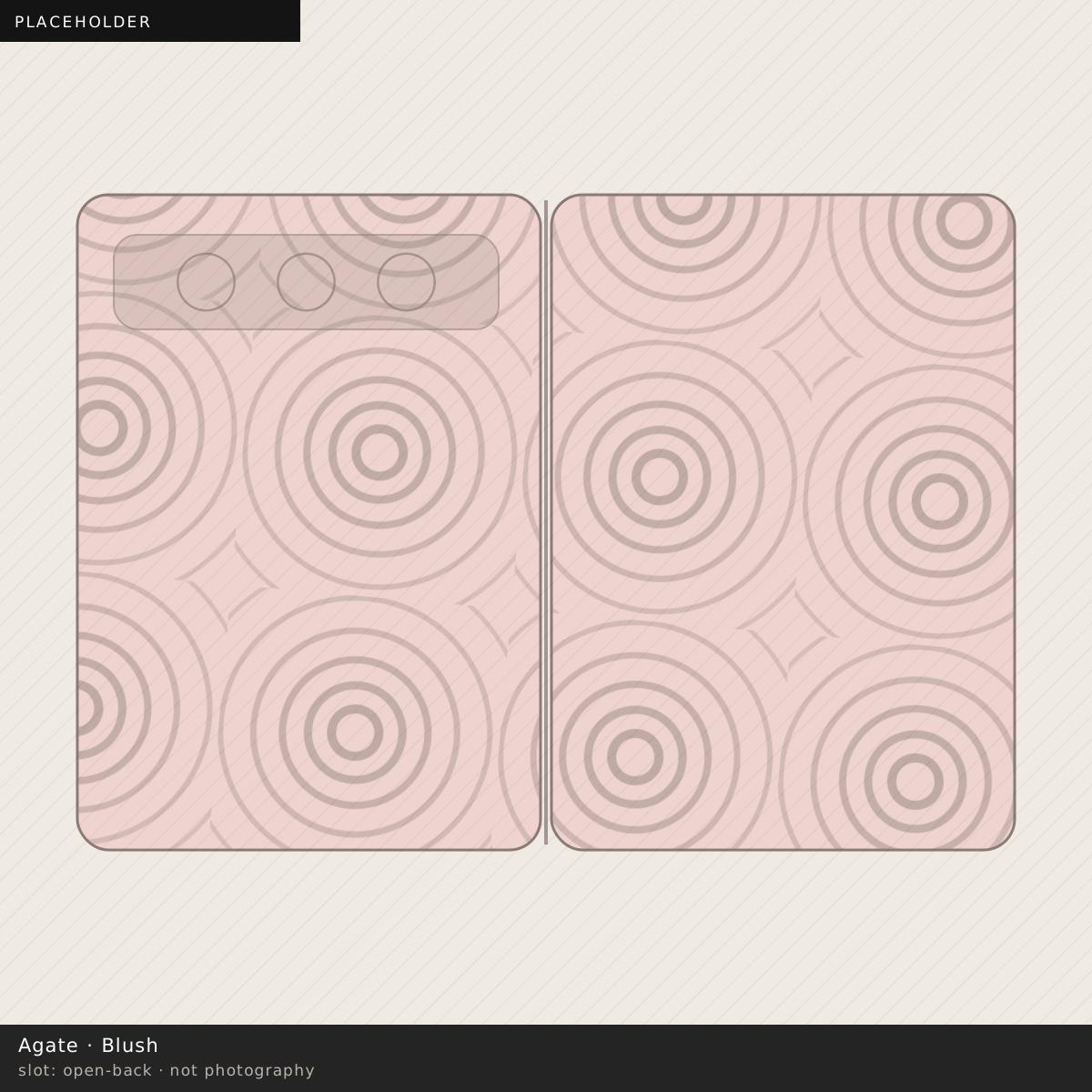
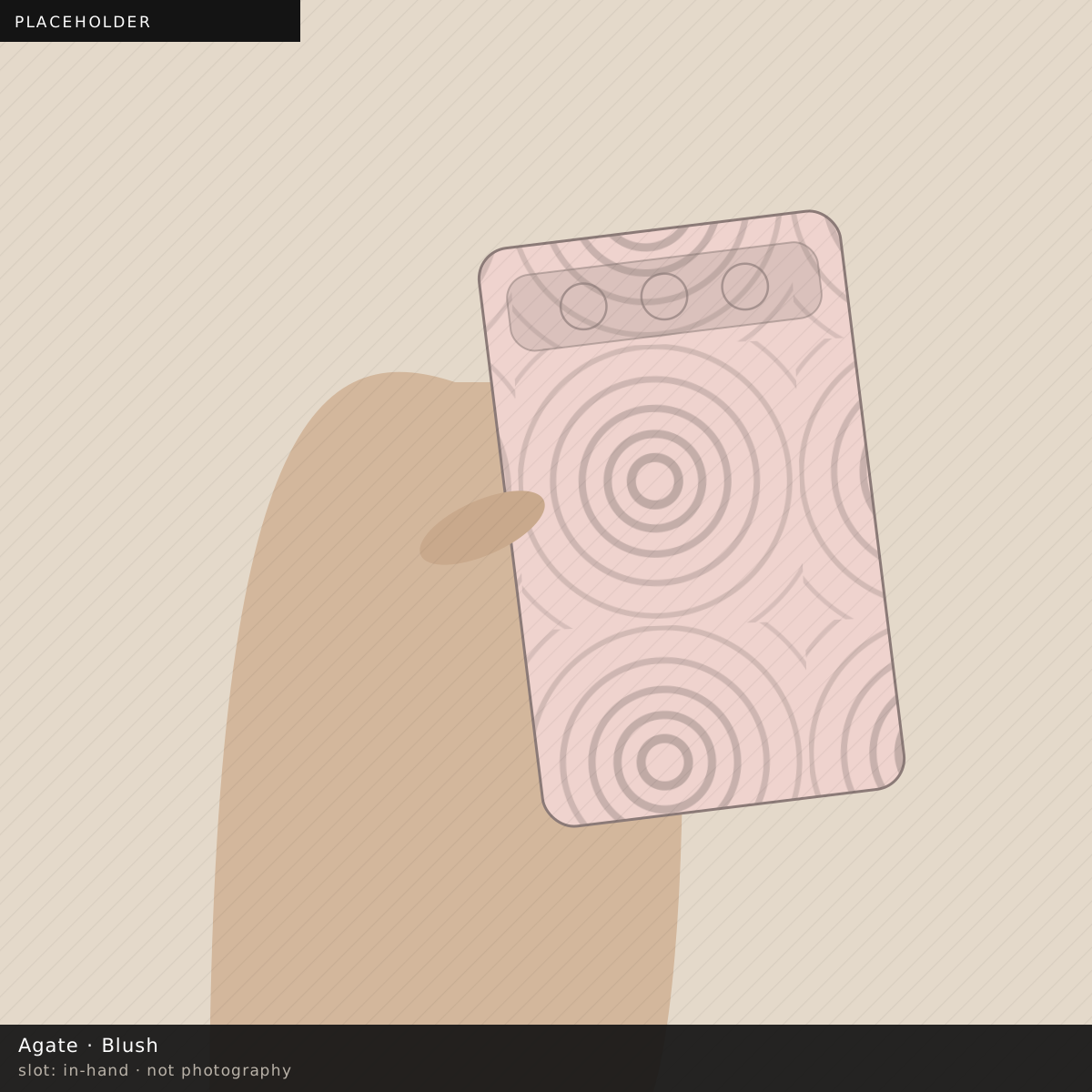
Travertine and Onyx. Travertine is full of small voids at true scale, so surface marks disappear into an already broken surface. Onyx is dark enough that very little shows on it at all.
It is printed, not foiled. A metallic foil on a case that folds is a bad idea: foil sits on the surface and the fold line is the first place it lifts.
Marble on a phone case is usually a stock photograph of a polished slab, shrunk. Shrinking is the problem: a slab is two metres across, and reducing it to fifteen centimetres turns veins that were as wide as a finger into hairlines, so the whole thing reads as a grey cloud.
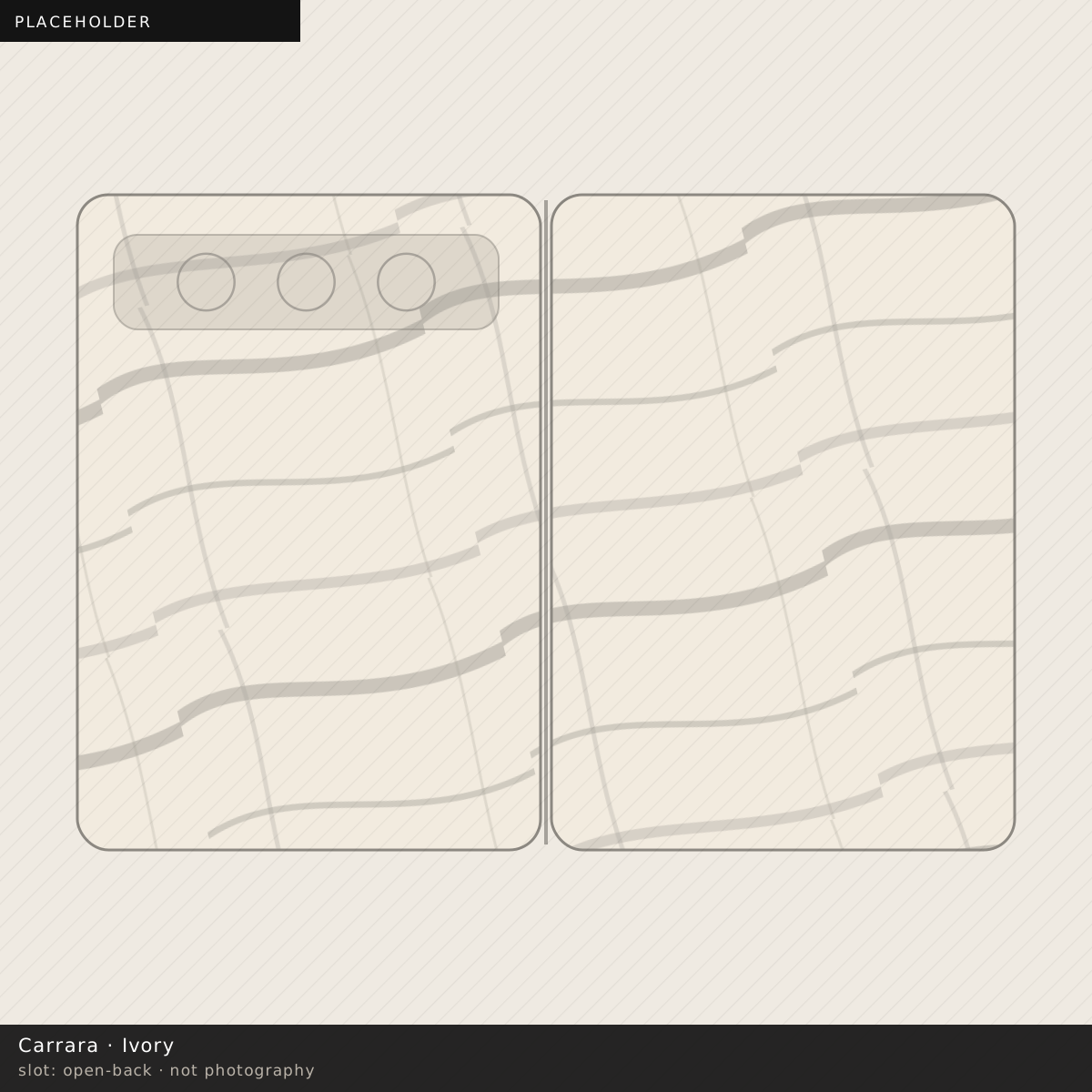
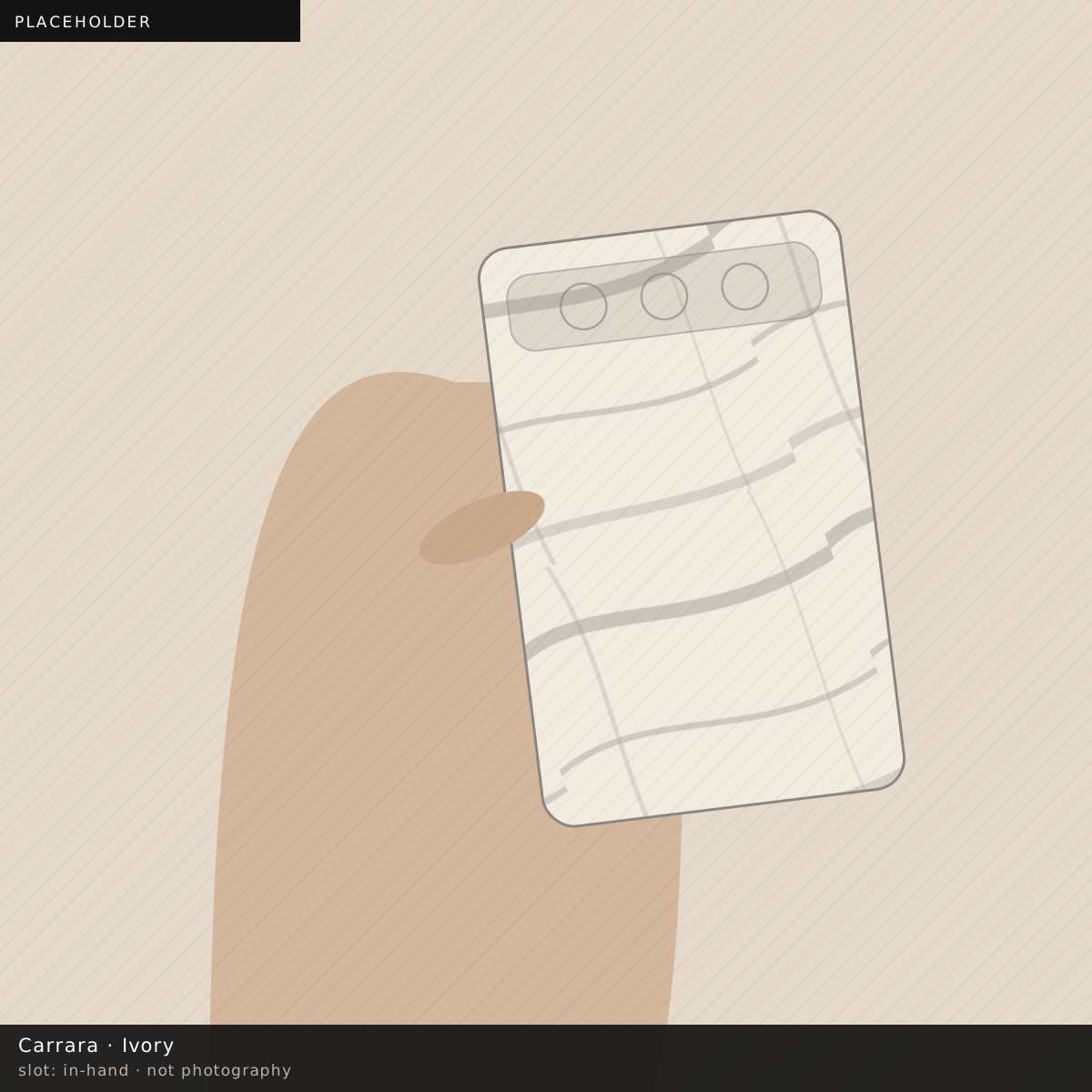
These are printed at roughly the scale a hand sees stone at — a worktop rather than a wall. One major vein crosses a panel instead of forty crossing the phone. Carrara keeps the direction the block was cut in, which is the detail that makes it look quarried rather than generated.
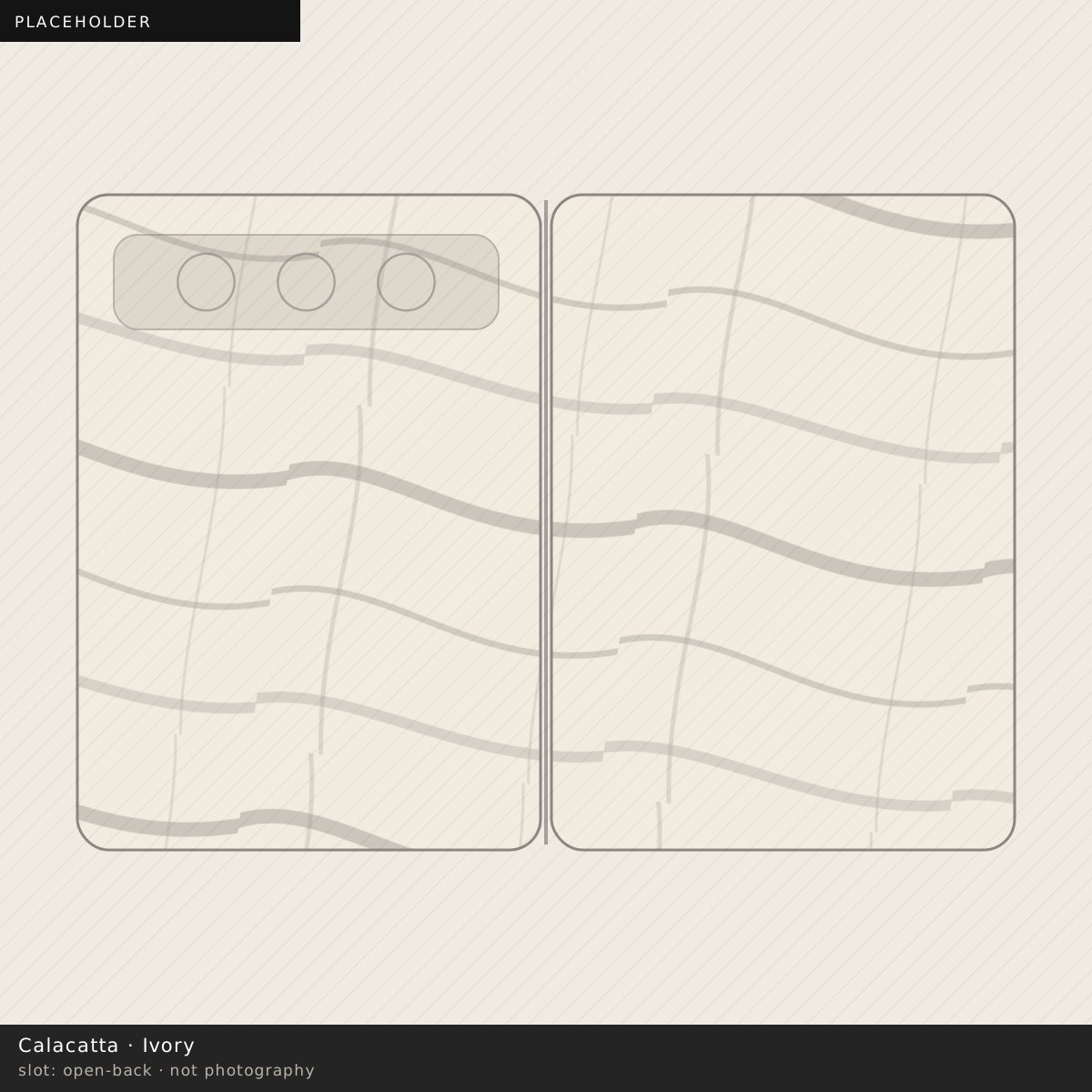
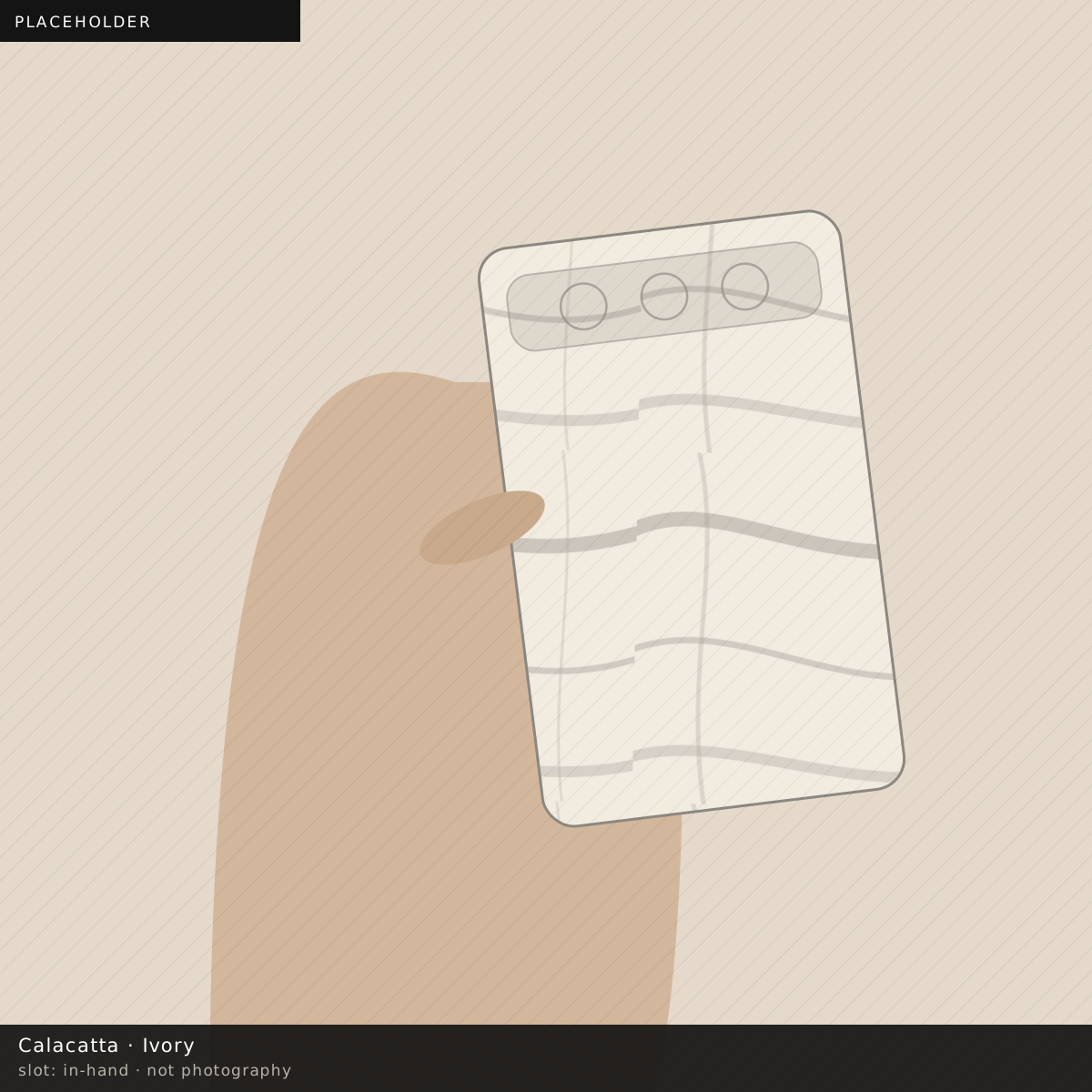
Carrara is the quiet one: fine grey feathering, many veins, low contrast. Calacatta has fewer veins, each much heavier, and warmer in colour — and it is normally set on a colder white so the gold reads. That difference is the whole reason both exist.
On a phone, Carrara behaves like a neutral. Calacatta behaves like a pattern. If you want the case to disappear, the first one is the answer; if you want one strong line down the back, the second one is.
Malachite veneer was traditionally cut and matched so the banding continued across a cabinet door — two panels cut from one slab, opened like a book. It is the reason a malachite cabinet looks like one object rather than two pieces of stone screwed together.
Malachite here is cut the same way. The two halves come from one virtual slab, so the rings continue across the hinge when the case is open and stop cleanly when it is closed. It is the only print in the range where opening the phone completes the drawing.